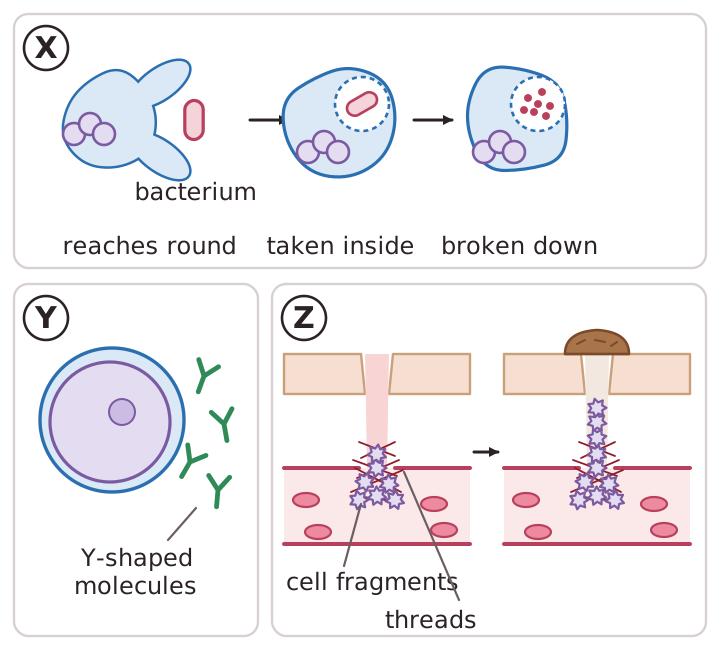
Blood contains cells that defend the body. White blood cells fight pathogens in two main ways. Phagocytes engulf pathogens and digest them with enzymes, which is called phagocytosis. A phagocyte can change its shape, so it can squeeze out of blood vessels and reach pathogens in the tissues. It also contains many enzymes for digesting what it has engulfed. Lymphocytes make antibodies that target pathogens. They have a large nucleus, which holds the instructions for making the antibodies.
Platelets are small fragments of cells with no nucleus. When a blood vessel is cut, platelets stick together at the wound and help to form a clot. The clot dries to make a scab. This seals the wound, so less blood is lost and pathogens cannot get in.