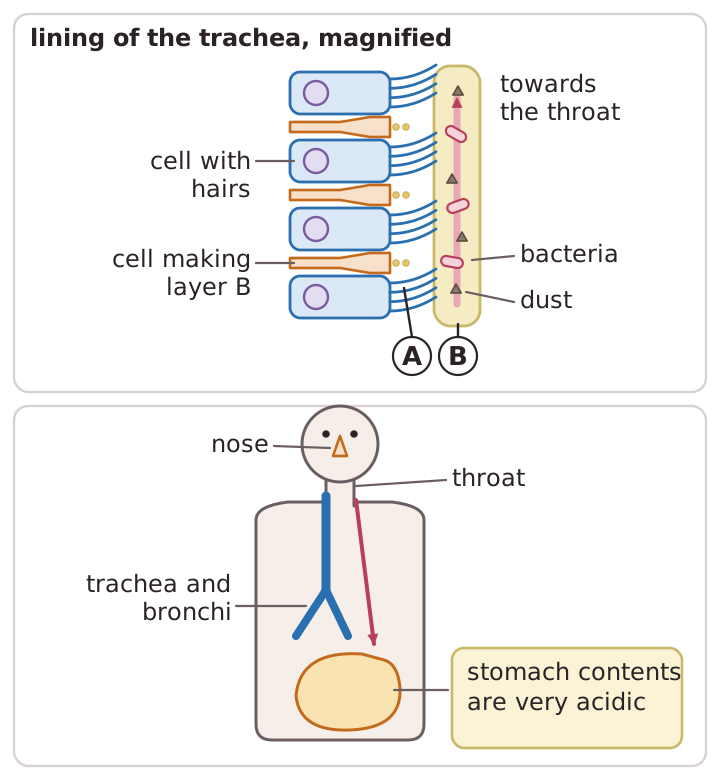
Non-specific defences work against all pathogens in the same way, whatever type of pathogen it is. The first job is to stop pathogens getting in. The skin is a barrier, and if it is cut, platelets form a clot that seals the wound. Hairs and mucus in the nose trap particles and pathogens from the air. The trachea and bronchi are lined with cells that make mucus to trap pathogens, and tiny hairs called cilia sweep the mucus up to the throat, where it is swallowed. The stomach makes hydrochloric acid, which kills pathogens that are swallowed in food and drink.
If pathogens do get inside the body, phagocytes engulf and digest them. This is also non-specific, because a phagocyte attacks any pathogen it meets.