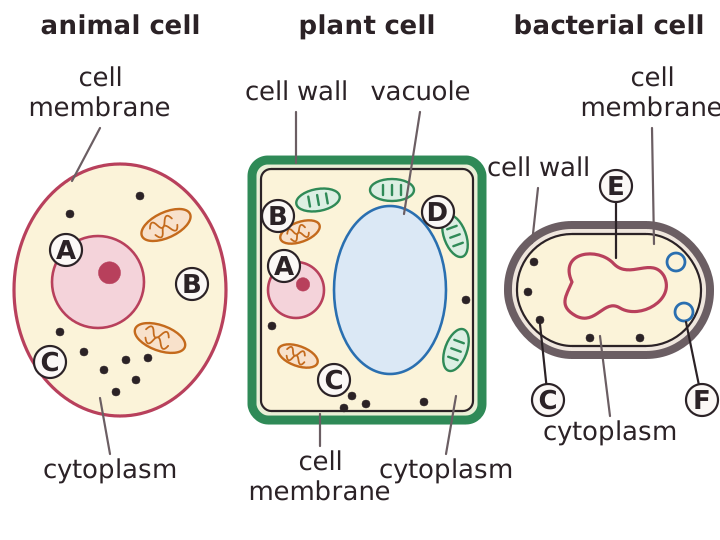
Animal and plant cells are eukaryotic. Their genetic material is stored in chromosomes inside a nucleus. The genetic material is DNA, and the nucleus controls the activities of the cell. Both cell types also have a cell membrane, cytoplasm, mitochondria and ribosomes. The cell membrane contains receptor molecules and is a selective barrier, so it controls which molecules enter and leave the cell. Mitochondria contain the enzymes for cellular respiration, which releases energy for the cell. Ribosomes are the site of protein synthesis.
Plant cells also have chloroplasts, which contain the green pigment chlorophyll. Chloroplasts absorb light for photosynthesis.
Prokaryotic cells such as bacteria are much smaller and have no nucleus. Their genetic material is a single loop of DNA lying free in the cytoplasm. They may also contain plasmids, which are small extra rings of DNA. Bacteria also have ribosomes and a cell membrane.