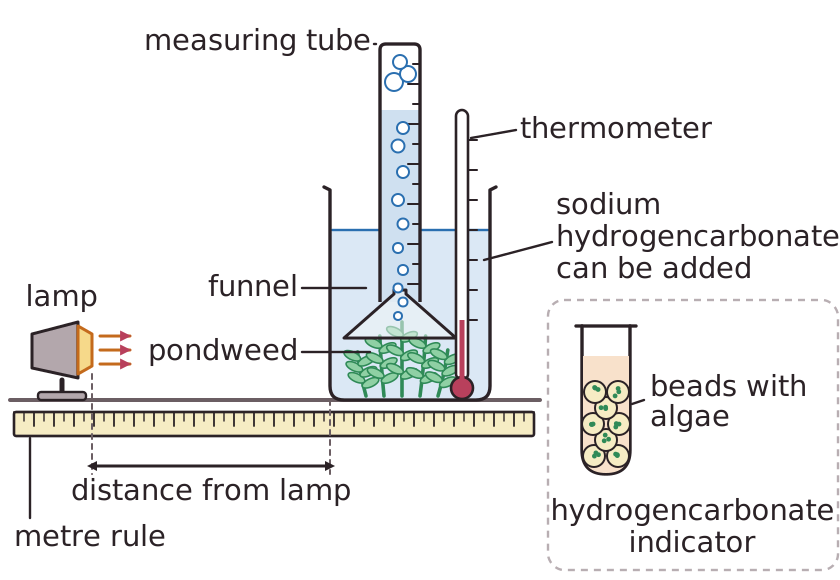
The rate of photosynthesis is how fast a plant makes glucose. With pondweed, it can be measured by counting bubbles of oxygen, or by rate = volume of oxygen ÷ time. For example, 12 cm3 of oxygen in 4 minutes is a rate of 3 cm3 per minute. Algae can also be held in alginate beads in hydrogencarbonate indicator, which supplies carbon dioxide. The indicator turns purple as carbon dioxide is used up, and a faster colour change means a higher rate.
Light provides the energy for the first stage. Increasing light intensity raises the rate, because more energy is available to split water, until another factor becomes limiting and the rate levels off. Moving a lamp further away makes the light intensity lower. Carbon dioxide is a reactant, used in the second stage, so increasing its concentration also raises the rate until it levels off.
Temperature affects the enzymes that control the reactions. As temperature rises towards the optimum, particles move faster and collide more often, so the rate rises. Above about 45 °C the enzymes denature and the rate falls rapidly.