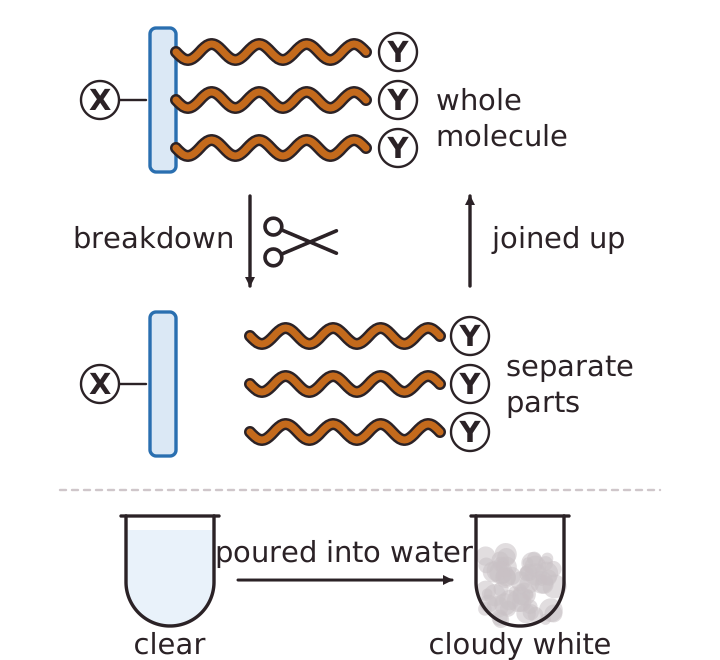
Lipids are fats and oils. A lipid molecule is made from one molecule of glycerol joined to three fatty acids. In synthesis, the fatty acids and glycerol are joined together. Lipids are not usually described as polymers, because they are not long chains of one repeating monomer.
Lipids have several important jobs. They are a concentrated energy store, they give insulation that helps to keep animals warm, and they are used to make cell membranes.
In breakdown, lipase enzymes split lipids into fatty acids and glycerol. This happens in digestion, and the smaller molecules can then be absorbed and used by cells, either as a fuel in respiration or to make new lipids.
The ethanol emulsion test shows lipids. The sample is shaken with ethanol and then poured into water. A cloudy white emulsion forms if a lipid is present.