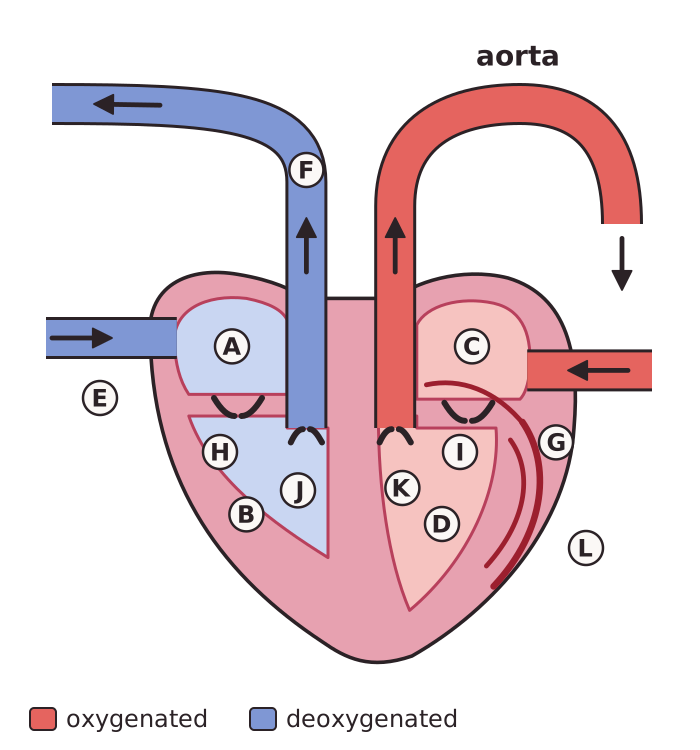
Humans have a double circulatory system. The blood passes through the heart twice on each full circuit of the body. The right side of the heart pumps deoxygenated blood to the lungs, and the left side pumps oxygenated blood to the rest of the body. This means blood can be sent to the body at a higher pressure after it has passed through the lungs.
The heart has four chambers. The two atria at the top receive blood and the two ventricles at the bottom pump it out. Blood from the body returns to the right atrium in the vena cava. It passes into the right ventricle, which pumps it to the lungs in the pulmonary artery. Oxygenated blood returns to the left atrium in the pulmonary vein, passes into the left ventricle, and is pumped to the body in the aorta.
Valves between the atria and ventricles, and in the exits from the ventricles, stop blood flowing backwards, so it moves in one direction only. The wall of the left ventricle is much thicker than the wall of the right ventricle. The left ventricle has to pump blood at high pressure around the whole body, but the right ventricle only pumps blood a short distance to the lungs at lower pressure. The atria have thin walls because they only push blood into the ventricles.
The heart is made of muscle, which needs its own supply of oxygen and glucose. The coronary arteries run over the surface of the heart and supply the heart muscle with oxygenated blood.