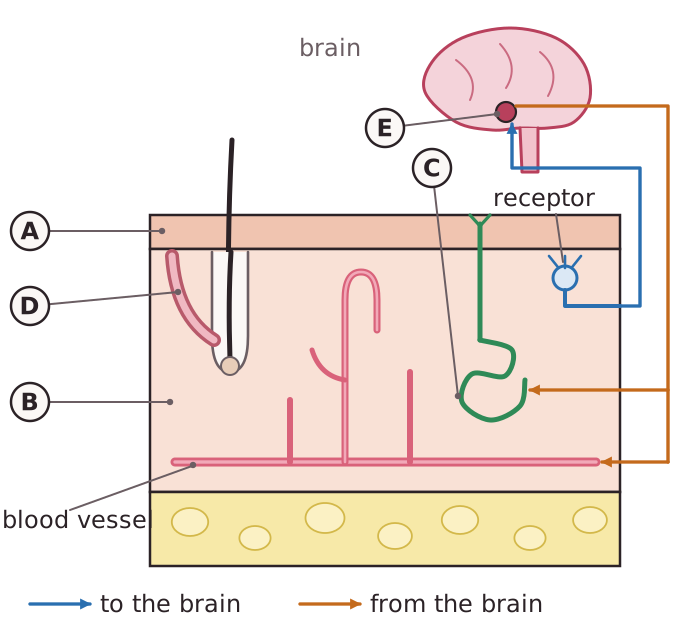
The skin has two main layers. The epidermis is the thin outer layer. It forms a barrier that stops microbes getting in and reduces water loss. The dermis lies underneath and contains the structures that help control temperature: sweat glands, blood vessels, hair erector muscles and temperature receptors.
The temperature receptors in the skin send nerve impulses to the hypothalamus, a part of the brain. The hypothalamus also monitors the temperature of the blood flowing through it. It acts as the thermoregulatory centre. It compares the temperature with the normal value and sends impulses to effectors in the dermis, such as the sweat glands and the muscles around the blood vessels.
When the body is too hot, the sweat glands release more sweat onto the surface. The sweat evaporates, which takes heat energy from the skin and cools the body. When the body returns to normal temperature the response is switched off. This is negative feedback, because the change is reversed and the body stays near its set point.