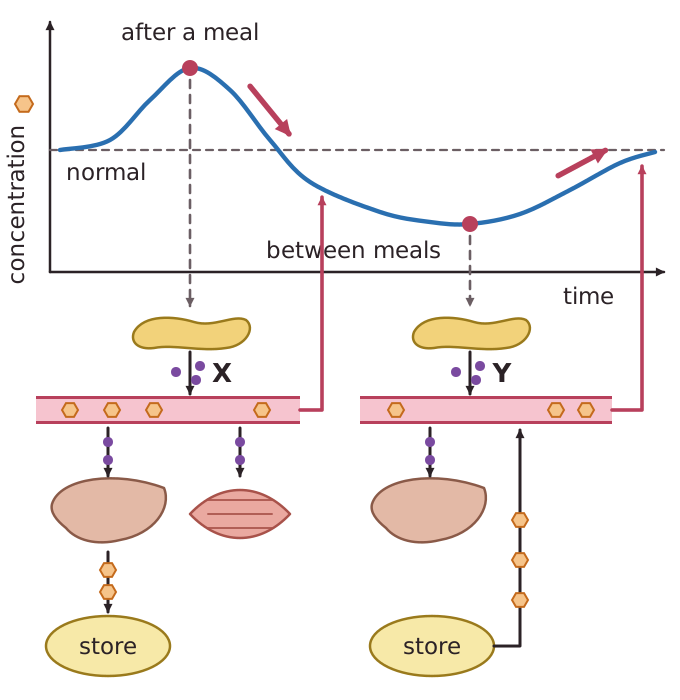
Cells need glucose for respiration, so the blood glucose concentration must be kept fairly constant. The pancreas monitors it. After a meal that contains carbohydrate, glucose is absorbed and the blood glucose concentration rises.
When the pancreas detects that blood glucose is too high, it secretes the hormone insulin into the blood. Insulin is carried in the blood to its target organs, the liver and the muscles. It makes liver and muscle cells take up glucose from the blood. In the liver, glucose is converted into glycogen, an insoluble store. Body cells also use the glucose they take in for respiration.
As glucose leaves the blood, the blood glucose concentration falls back to normal. The pancreas then stops secreting insulin. This is an example of negative feedback, because the response reverses the original change.