When the hypothalamus detects that the body is too cold, it triggers responses that cut heat loss and release more heat. One of these is shivering. The skeletal muscles contract and relax rapidly and without conscious control. The muscle cells respire faster, so more heat energy is released and body temperature rises.
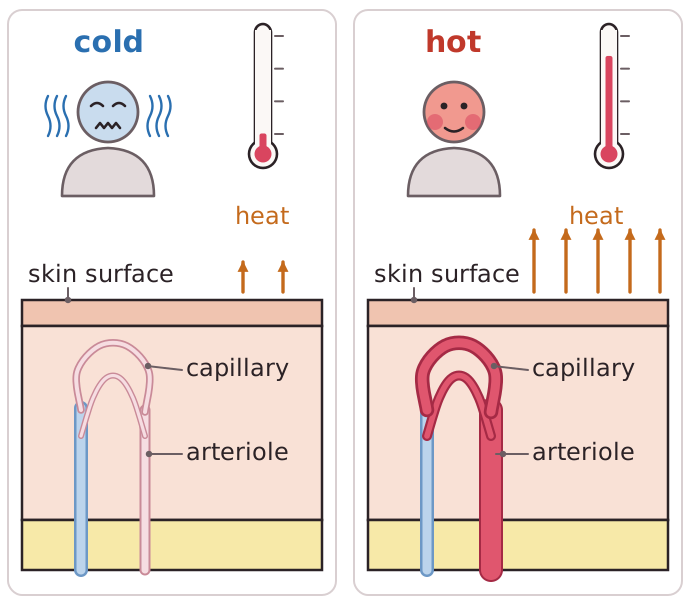
Heat is also lost or kept through the skin by changing the blood flow near the surface. Small blood vessels called arterioles supply the capillaries in the skin, and muscles in their walls can change their width. In the cold, these muscles contract and the arterioles narrow. This is vasoconstriction. Less blood flows near the surface, so less heat is lost by radiation.
When the body is too hot, the muscles in the arteriole walls relax and the arterioles widen. This is vasodilation. More blood flows near the surface of the skin, so more heat is lost by radiation and the skin looks red. The blood vessels do not move closer to or further from the surface. Only their width changes.