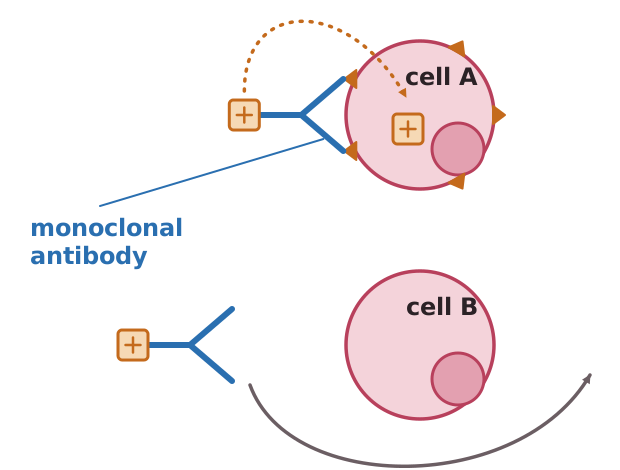
Because a monoclonal antibody binds to one specific molecule, it can be used to find that molecule or to carry something to it. In diagnosis, monoclonal antibodies are used in pregnancy tests. In laboratories they are used to measure the levels of hormones and other chemicals in blood, or to detect pathogens.
In research, a monoclonal antibody can be joined to a fluorescent dye. It binds to a specific molecule in a cell or tissue, so the molecule can be located or identified.
Monoclonal antibodies can also treat some diseases. In cancer treatment, the antibody can be bound to a radioactive substance, a toxic drug or a chemical that stops cells growing and dividing. It delivers the substance to the cancer cells without harming other cells in the body.
Monoclonal antibodies create more side effects than expected, and they are not yet as widely used as everyone hoped when they were first developed. You do not need to recall specific tests or treatments, but you should be able to explain how they work when given information.