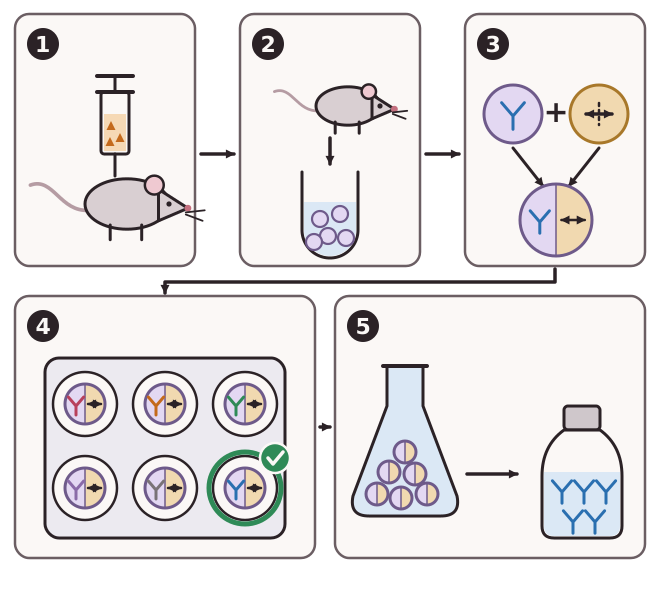
Monoclonal antibodies are antibodies made from a single clone of cells, so they are all identical. Each one is specific to a single binding site on one protein antigen. This means it can target one particular chemical or one particular type of cell in the body.
To make them, mouse lymphocytes are stimulated to make a particular antibody. A lymphocyte makes the antibody but cannot divide for long. A tumour cell can divide again and again. The lymphocytes are therefore combined with a particular kind of tumour cell to make a hybridoma cell. A hybridoma cell can both divide and make the antibody.
Single hybridoma cells are then cloned to produce many identical cells, and all of them produce the same antibody. A large amount of the antibody can be collected from these cells and purified.