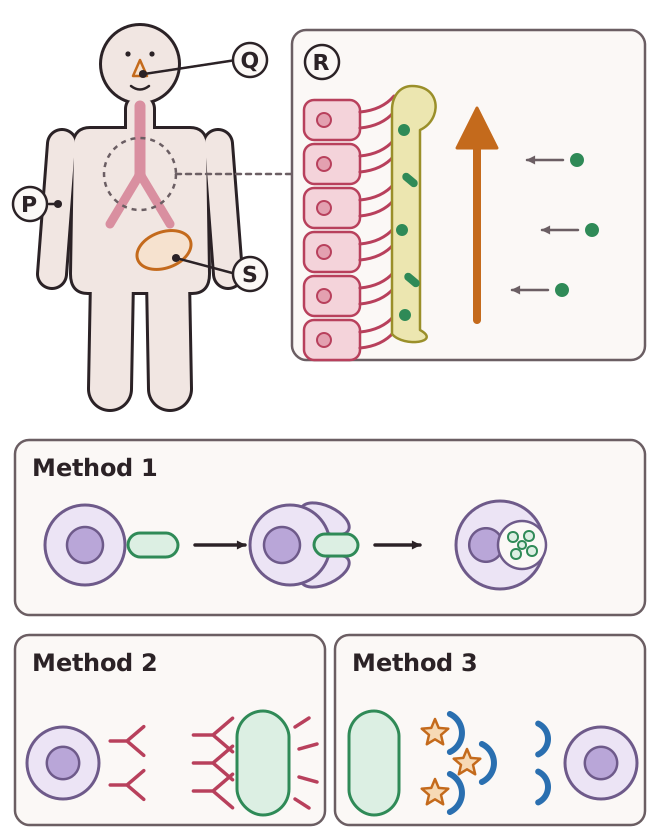
The body has non-specific defence systems that work against all pathogens in the same way. The skin forms a barrier that stops pathogens getting in. The nose has hairs and mucus that trap particles and pathogens in the air we breathe. The trachea and bronchi are lined with cells that make mucus to trap pathogens, and tiny hair-like structures called cilia move the mucus away from the lungs. The stomach makes hydrochloric acid, which kills pathogens that arrive in food and drink.
If a pathogen does enter the body, the immune system tries to destroy it. White blood cells help to defend against pathogens in three ways.
- Phagocytosis: a white blood cell engulfs the pathogen and digests it.
- Antibody production: white blood cells make antibodies that attack the pathogen.
- Antitoxin production: white blood cells make antitoxins that neutralise the toxins released by pathogens.