 BRAINCAKE
Electrocardiograms
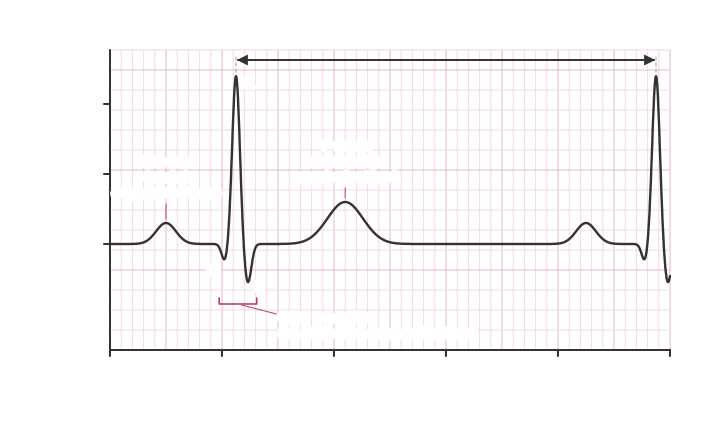
An electrocardiogram (ECG) is a recording of the electrical activity of the heart. Electrodes are stuck to the skin of the chest and limbs, and they detect the small electrical changes produced as waves of excitation spread through the heart muscle. The ECG is plotted as a trace of voltage against time.
A normal ECG has three main parts:
P wave: depolarisation (excitation) of the atria, which leads to atrial systole.
Sign in free to see the rest of this lesson, the R.E.C.I.P.E. recall steps and the quiz
BrainCake is free. Make an account in seconds and pick up where this page stops.
More in The Heart
- Structure of the Human Heart
- Blood Flow through the Heart
- Contraction of Cardiac Muscle
- The Cardiac Cycle
- Control of the Heartbeat
- Electrical and Pressure Changes in the Heart
All 7 lessons in The Heart · All Edexcel AS-level Biology topics