 BRAINCAKE
Oogenesis
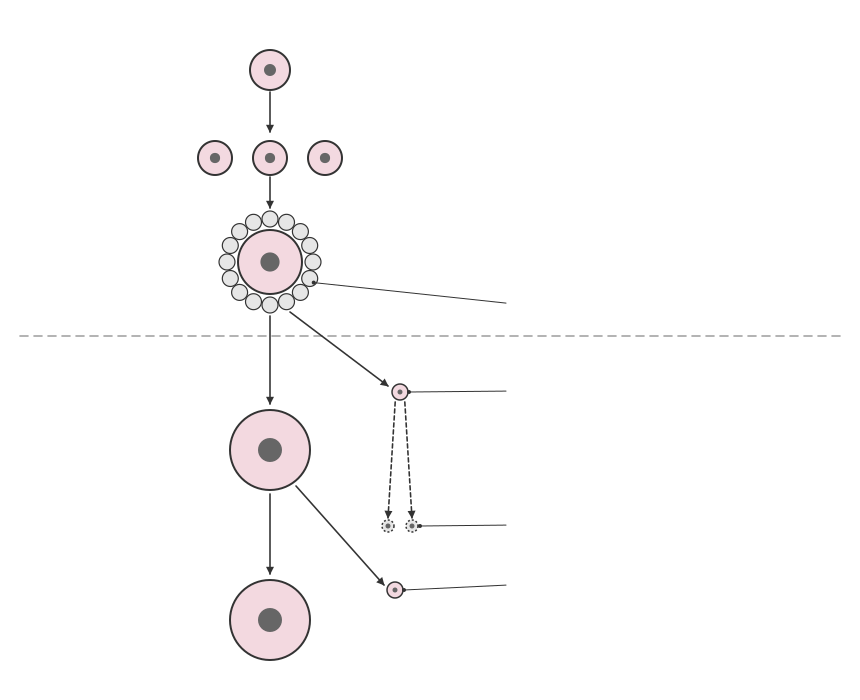
Oogenesis is the production of egg cells in the ovaries. It differs from spermatogenesis in its timing and in the unequal division of cytoplasm.
Before birth, in the ovaries of a female fetus:
• germinal epithelium cells divide by mitosis to form diploid oogonia (2n);
• oogonia grow into primary oocytes (2n), which begin meiosis I but stop at prophase I. Each is surrounded by a layer of follicle cells, forming a primary follicle. A girl is born with all the primary oocytes she will ever have.
From puberty, roughly once a month:
• a primary oocyte completes meiosis I, forming a large haploid secondary oocyte and a tiny first polar body, which receives very little cytoplasm;
Sign in free to see the rest of this lesson, the R.E.C.I.P.E. recall steps and the quiz
BrainCake is free. Make an account in seconds and pick up where this page stops.
More in Meiosis and Sexual Reproduction
- Non-disjunction
- Down's Syndrome
- Turner's Syndrome
- Spermatogenesis
- The Male Gamete
- The Female Gamete
- Gametogenesis in Plants
- Formation of Pollen
All 28 lessons in Meiosis and Sexual Reproduction · All Edexcel AS-level Biology topics