 BRAINCAKE
Replication of HIV Virus
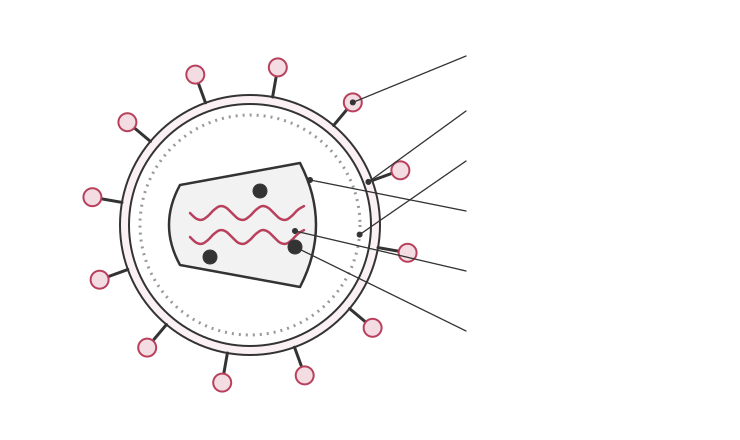
The virus attaches to the host cell by the attachment protein binding to a CD4 receptor of a T-helper cell.
The viral envelope fuses with the host cell plasma membrane and the capsid enters the host cell.
Once inside the cytoplasm of the T helper cell, the capsid is digested by host cell enzymes and the two RNA strands and the enzymes reverse transcriptase, integrase and protease are released into the cytoplasm.
Sign in free to see the rest of this lesson, the R.E.C.I.P.E. recall steps and the quiz
BrainCake is free. Make an account in seconds and pick up where this page stops.
Key terms in this lesson
- capsid
- The protein coat that encloses the nucleic acid of a virus.
More in Cell Recognition and the Immune System
- Herd Immunity
- Vaccination Programme Failure
- Ethics
- MMR Vaccine Case Study
- Structure of HIV Virus
- AIDS
- The ELISA Test
- Antibiotics
All 30 lessons in Cell Recognition and the Immune System · All AQA AS-level Biology topics