 BRAINCAKE
The Phosphorus Cycle
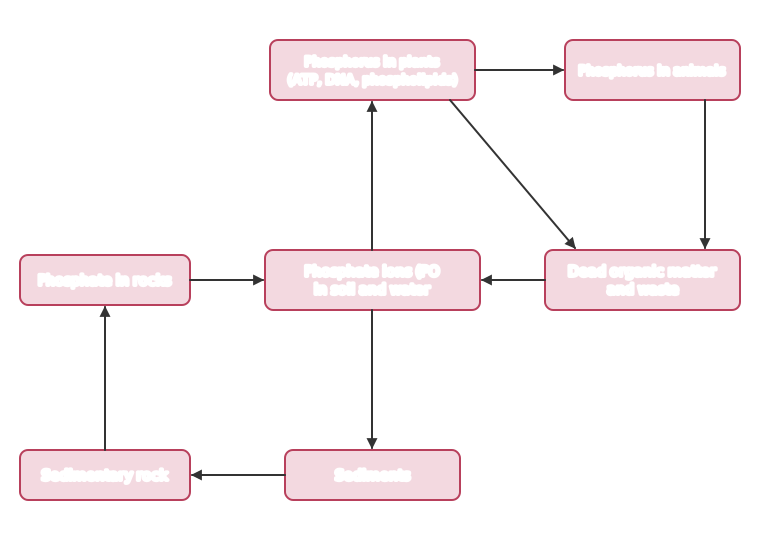
Phosphorus is needed by all organisms to make ATP, nucleic acids (DNA and RNA) and phospholipids in cell membranes. Unlike carbon and nitrogen, phosphorus has no significant gaseous form, so the phosphorus cycle has no atmospheric stage and is very slow.
Most phosphorus is held in rocks as phosphate. Weathering and erosion release phosphate ions (PO43−) into soils and water.
Sign in free to see the rest of this lesson, the R.E.C.I.P.E. recall steps and the quiz
BrainCake is free. Make an account in seconds and pick up where this page stops.
Key terms in this lesson
- saprobiont
- A microorganism, mainly bacteria or fungi, that obtains nutrients from dead organic matter or waste by extracellular digestion, returning mineral ions to the environment.
More in Nutrient Cycles
- Nitrogen Fixation
- Ammonification
- Nitrification
- Denitrification
- Mycorrhizae
- Natural and Artificial Fertilisers
- Effects of Fertilisers on Productivity
- Leaching
All 13 lessons in Nutrient Cycles · All AQA A-level Biology topics