Nitrogen is needed to make amino acids (and so proteins) and nucleotides (DNA, RNA and ATP). The air is about 78% nitrogen gas (N2), but plants and animals cannot use it directly. Plants absorb nitrogen from the soil, mainly as nitrate ions (NO3−), by active transport. Animals obtain nitrogen by eating plants or other animals.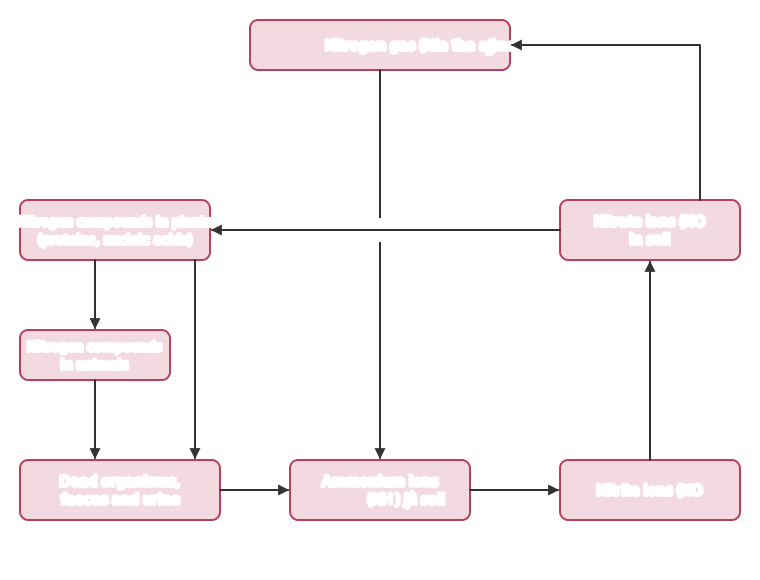
2. Ammonification: saprobionts convert nitrogen-containing compounds in dead organisms, faeces and urine into ammonia, which forms ammonium ions in the soil.
3. Nitrification: nitrifying bacteria oxidise ammonium ions to nitrite ions and then to nitrate ions. This needs oxygen.
4. Denitrification: in anaerobic conditions, denitrifying bacteria convert nitrates back into nitrogen gas.Example: N2 in the air → fixed to ammonia in a clover root nodule → amino acid in the clover → protein in a rabbit that eats it → urea in the rabbit's urine → ammonium ions (ammonification) → nitrate ions (nitrification) → absorbed by grass roots, or turned back into N2 (denitrification) if the soil becomes waterlogged.Farmers increase the nitrate available to crops by ploughing and draining soils (keeping them aerobic), growing legumes and adding fertilisers.