 BRAINCAKE
Diabetes Mellitus
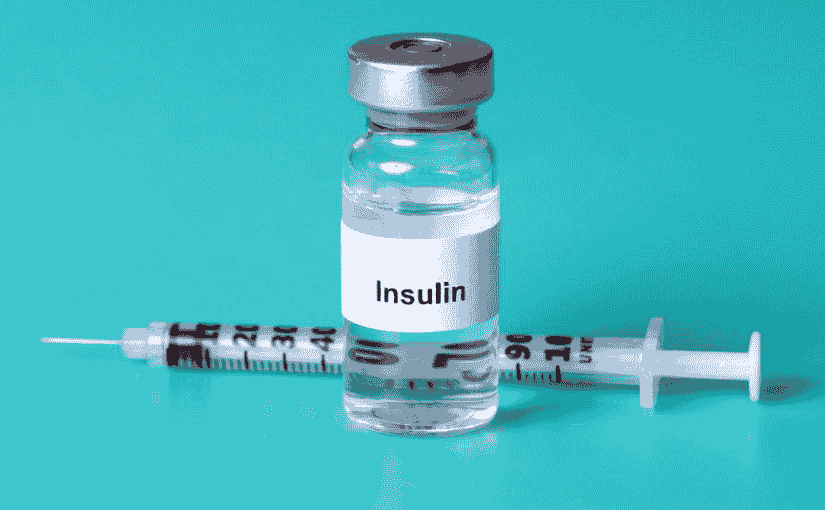
There are two types of diabetes in which the body cannot control the blood glucose concentration. After a meal the person develops a high blood glucose concentration (hyperglycaemia) and after fasting or exercise they may develop a low blood glucose concentration (hypoglycaemia) because of a failure to store glycogen.
Sign in free to see the rest of this lesson, the R.E.C.I.P.E. recall steps and the quiz
BrainCake is free. Make an account in seconds and pick up where this page stops.
Key terms in this lesson
- insulin
- A hormone secreted by the beta cells of the islets of Langerhans in response to a rise in blood glucose concentration, which lowers blood glucose by stimulating cells to take up and use or store glucose.
- homeostasis
- The maintenance of a constant internal environment within narrow limits around a set point, using control systems based on negative feedback.
More in Hormonal Communication
- The Adrenal Glands
- Adrenal Cortex
- Adrenal Medulla
- Pancreas
- Blood glucose concentration
- Insulin
- Glucagon
- Mechanism of Insulin Secretion
All 11 lessons in Hormonal Communication · All AQA A-level Biology topics