 BRAINCAKE
Mechanism of Insulin Secretion
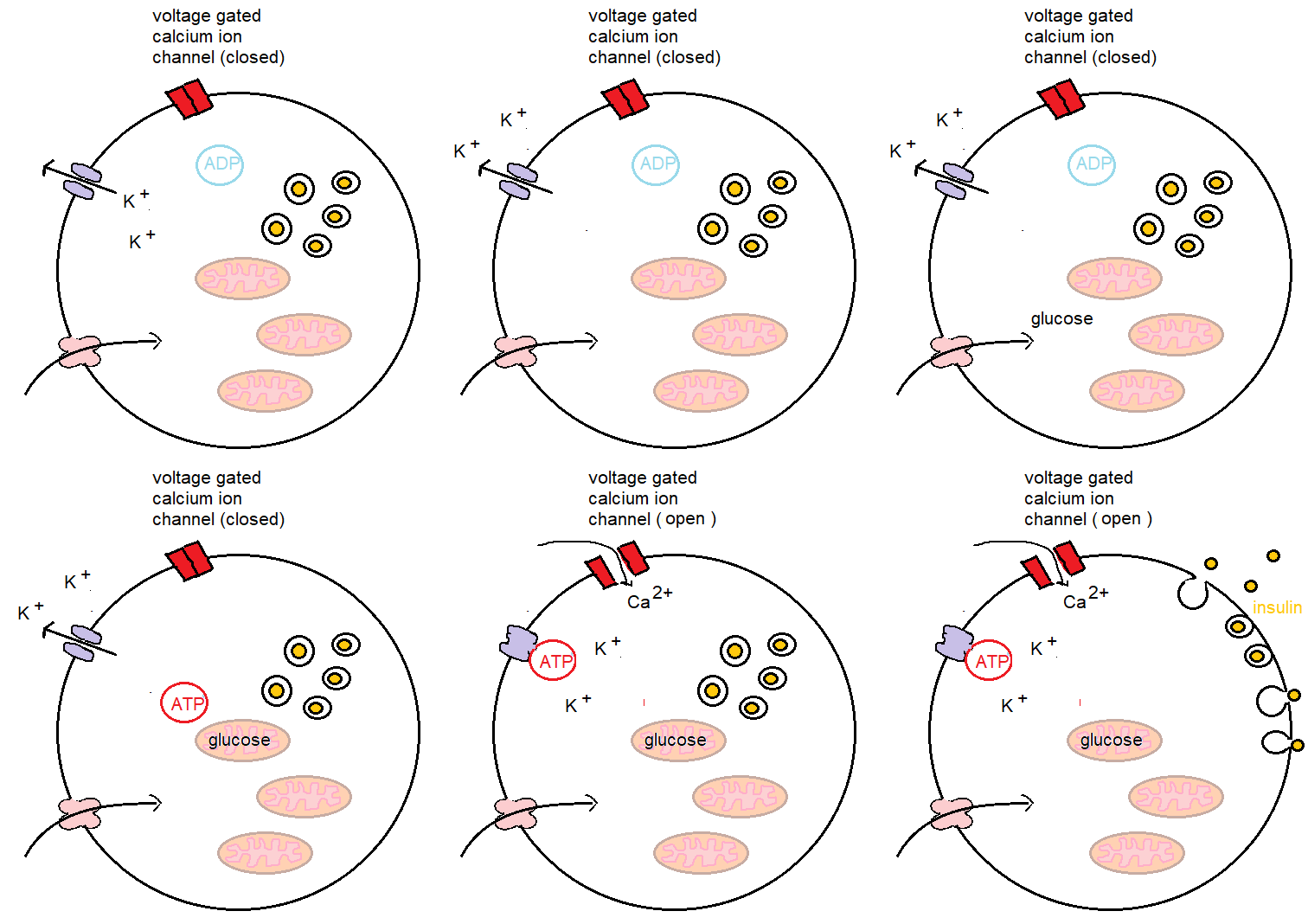
- When the blood glucose concentration is normal, ATP-sensitive potassium channels are open. Potassium ions diffuse out of the beta cells. The inside of the cell is -70mV relative to the outside of the cell.
- When blood glucose concentrations rise glucose enters the cell by glucose transporters.
- Glucose is used in respiration inside the mitochondria leading to a rise in the amount of ATP.
- ATP binds to the ATP-sensitive potassium channels and they close.
- Potassium ions are no longer able to diffuse out of the cell. Depolarisation occurs as the potential difference rises to about -30mV
- Depolarisation causes voltage-gated calcium in channels to open.
- The entry of calcium ions into the cell causes secretory veisicls to fuse with the membrane and release insulin by exocytosis.
Sign in free to see the rest of this lesson, the R.E.C.I.P.E. recall steps and the quiz
BrainCake is free. Make an account in seconds and pick up where this page stops.
Key terms in this lesson
- insulin
- A hormone secreted by the beta cells of the islets of Langerhans in response to a rise in blood glucose concentration, which lowers blood glucose by stimulating cells to take up and use or store glucose.
- depolarisation
- A change in the potential difference across a membrane that makes the inside less negative (or positive) relative to the outside, caused by an influx of sodium ions.
- ATP
- Adenosine triphosphate, the universal energy currency of cells, formed by adding an inorganic phosphate to ADP and hydrolysed to release energy for cellular reactions.
More in Hormonal Communication
- The Adrenal Glands
- Adrenal Cortex
- Adrenal Medulla
- Pancreas
- Blood glucose concentration
- Insulin
- Glucagon
- Diabetes Mellitus
All 11 lessons in Hormonal Communication · All AQA A-level Biology topics