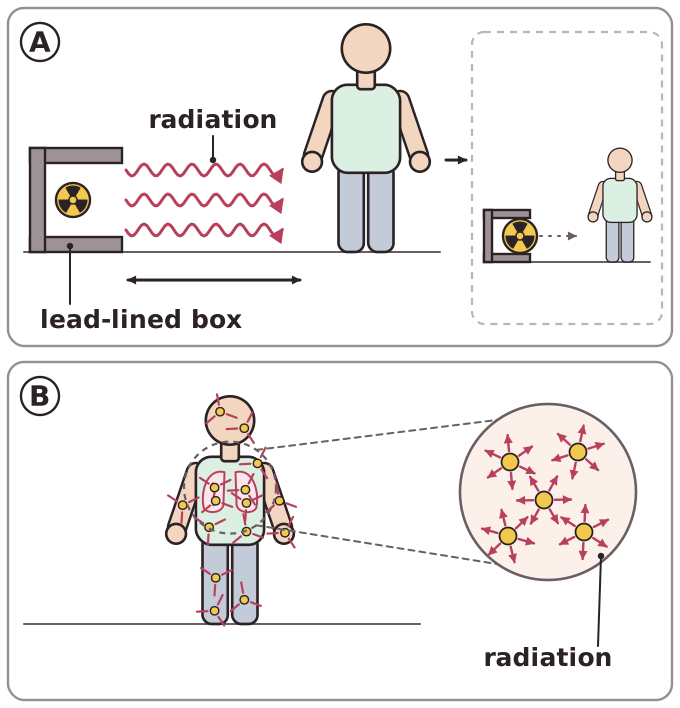
Radioactive material can harm people in two different ways. Irradiation is exposure to radiation from a source outside the body. The radiation enters the body, but the person or object does not become radioactive. Once the source is moved away, shielded or switched off, the exposure stops.
Contamination is when unwanted radioactive atoms get onto or into an object, for example as dust or liquid that lands on skin or is swallowed or breathed in. The contaminated object now carries a radioactive source with it, so it keeps being irradiated until the atoms decay or are washed away.
Both can damage cells and DNA and may cause cancer. The size of the hazard depends on the type of radiation. Alpha radiation is stopped by skin, so an alpha source outside the body is a low hazard. If an alpha source gets inside the body by contamination, the cells absorb all of its energy and it is very dangerous. Gamma radiation passes through the body, so it is a hazard from outside by irradiation.
The precautions differ too. To reduce irradiation, keep sources in lead-lined containers, stay a long way from them and limit the time of exposure. To reduce contamination, wear gloves and protective suits, handle sources with tongs and never eat or drink where they are used.