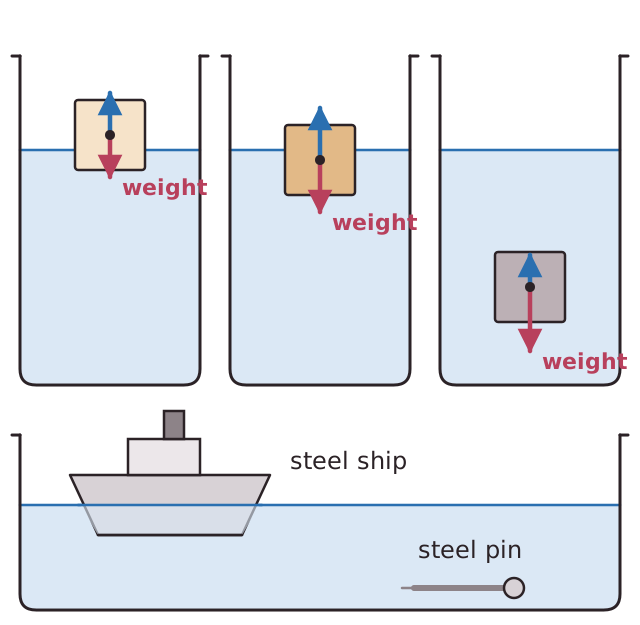
Any object placed in a fluid (a liquid or a gas) feels an upward force from the fluid called upthrust. The weight of the object acts downwards at the same time. The upthrust is equal to the weight of the fluid that the object pushes out of the way.
An object floats when the upthrust is equal to its weight, so the forces balance. An object sinks when its weight is greater than the biggest upthrust the fluid can give. This depends on density. An object whose average density is less than the density of the liquid will float, and an object whose average density is greater than the density of the liquid will sink. A floating object with a lower density sits higher in the liquid.
Size and mass alone do not decide whether something floats. A small steel pin sinks, but a huge steel ship floats. Steel is denser than water, but the ship is hollow and full of air, so its average density is less than the density of water.