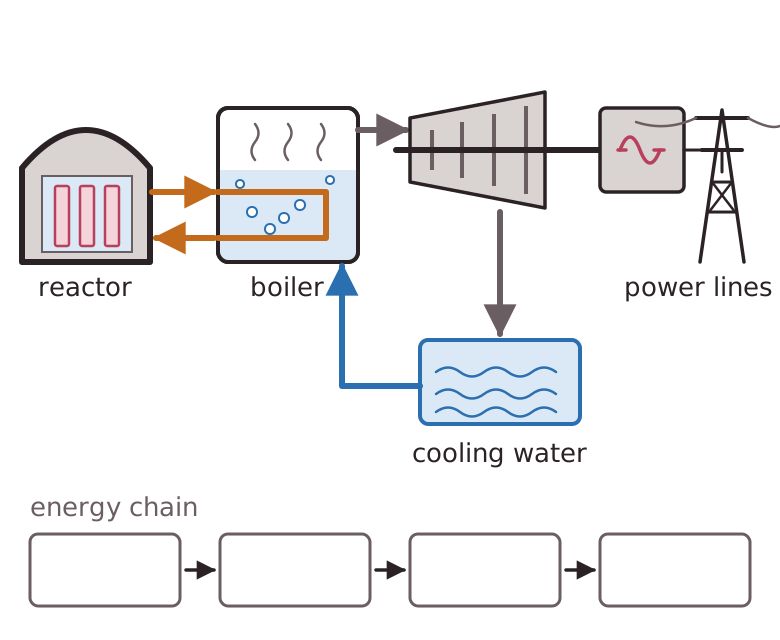
A nuclear power station is a thermal power station. The fuel is uranium-235 in place of coal or gas, but the way electricity is generated afterwards is the same.
The fission reactions in the reactor core release thermal energy. A coolant, often water or carbon dioxide gas, flows through the core and carries the heat away. This heat is used to boil water and make high-pressure steam. In many reactors the water that cools the core is itself turned to steam.
The steam flows at high speed through a turbine and makes it spin. The turbine turns a generator, which produces electricity. The steam is then condensed back to water and returned to be heated again. The energy chain is: nuclear energy store, then thermal energy, then kinetic energy of the turbine, then electrical energy.