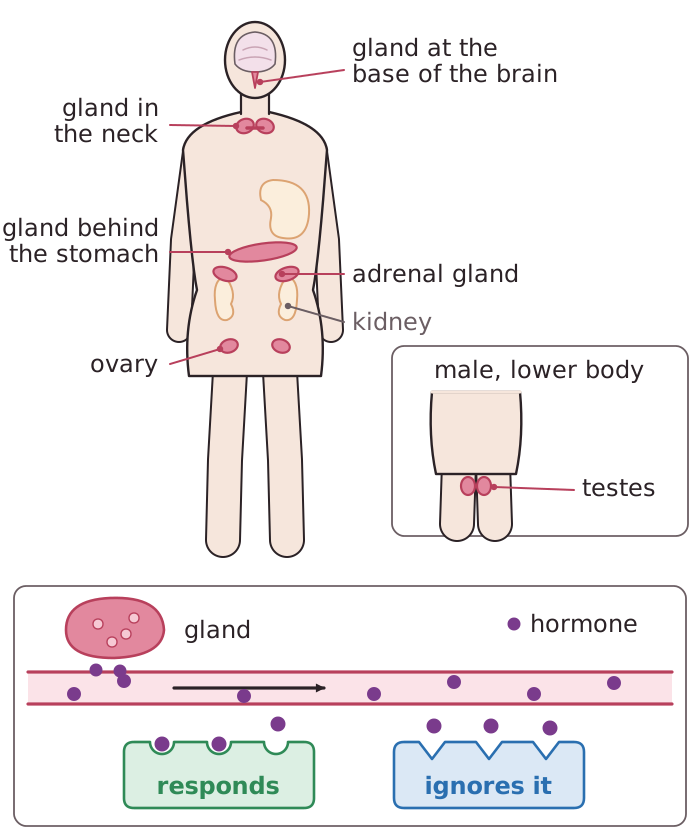
The body has two coordination systems. The nervous system uses electrical impulses. The endocrine system uses hormones, which are chemical messengers. A hormone is made in an endocrine gland and released straight into the blood.
The blood carries a hormone all around the body, so it reaches every organ. Only some organs respond. These are the target organs, and their cells have receptors that match the shape of that hormone. Cells without the right receptors ignore it.
The main endocrine glands are the pituitary gland in the brain, the thyroid gland in the neck, the pancreas, the adrenal glands above the kidneys, the ovaries in females and the testes in males. The pituitary gland is often called the master gland because its hormones act on other glands. The thyroid releases thyroxine and the pancreas releases insulin.
Because hormones travel in the blood, a hormonal response is slower than a nervous response. It also lasts longer, because hormones are removed from the blood gradually.