Potable water is water that is safe to drink. It is not the same as pure water, because potable water still contains some dissolved substances. In the UK, most drinking water comes from rain that collects in reservoirs, rivers and ground water, so it has to be treated.
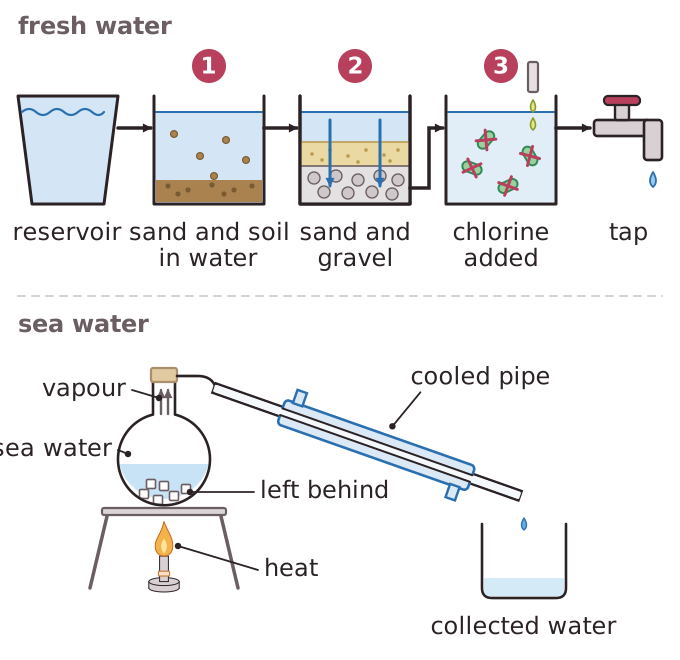
Waste water and ground water are made potable in three main stages. First, sedimentation: the water is held in tanks so that large insoluble particles, such as sand and soil, settle to the bottom. Second, filtration: the water passes through beds of sand and gravel which remove the smaller insoluble solids. Third, chlorination: chlorine is added to kill microorganisms such as bacteria.
Sea water contains a lot of dissolved salts, which pass straight through a filter, so filtering is not enough. Sea water is made potable by distillation. The water is boiled and the vapour is condensed, leaving the salts behind. This needs a lot of energy, so it is expensive.
Water used in chemical analysis must contain no dissolved salts, because the salts could react or interfere with the results. This is why distilled water is used rather than tap water.