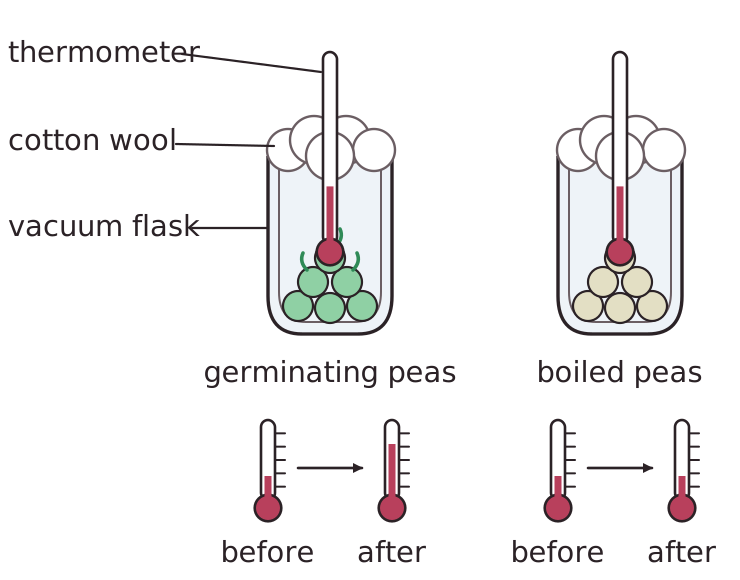
Respiration is an exothermic reaction. An exothermic reaction transfers energy to the surroundings, so the temperature of the surroundings rises. A chemical hand warmer or heat pack works in the same way: the reaction inside it releases heat and the pack feels warm.
In respiration some of the energy released from glucose is used to make ATP. The rest is released as heat. This heat is why a compost heap full of respiring microorganisms feels warm, and why mammals and birds can keep their bodies warm.
You can show this in an investigation. Germinating peas are placed in a vacuum flask with a thermometer, and boiled peas that are dead are placed in a second flask as a control. The temperature in the flask of living peas rises, because the peas respire. The temperature in the flask of dead peas does not rise, because dead peas do not respire.