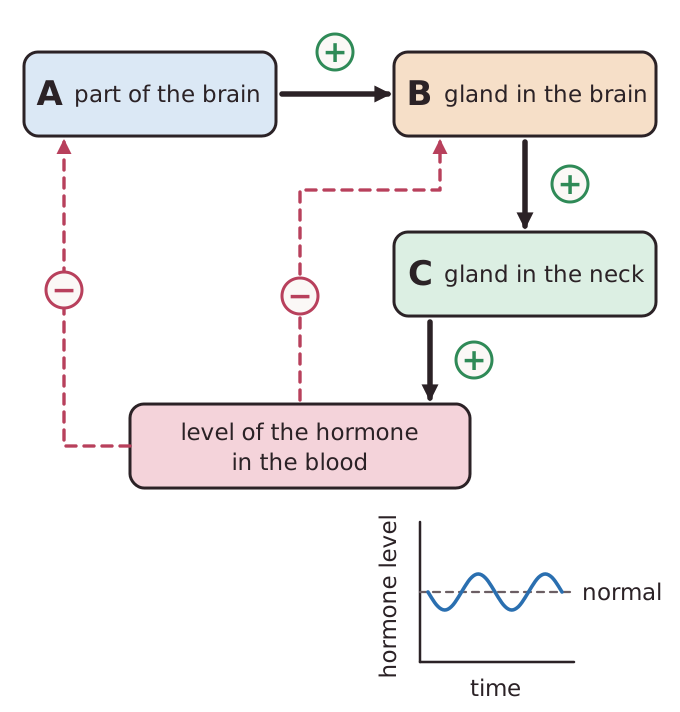
The thyroid gland makes the hormone thyroxine. Thyroxine controls the metabolic rate, which is the rate of the chemical reactions in the body. The level of thyroxine in the blood is kept steady by negative feedback, where a change triggers a response that reverses the change.
When the thyroxine level is low, the hypothalamus in the brain produces a hormone called TRH. TRH causes the pituitary gland to release TSH. TSH acts on the thyroid gland, which then produces more thyroxine.
As the thyroxine level rises back to normal, the thyroxine acts to inhibit the release of TRH from the hypothalamus and the production of TSH. Thyroxine inhibits them, so less thyroxine is then made and the level does not keep rising. This keeps the thyroxine level within a narrow range.