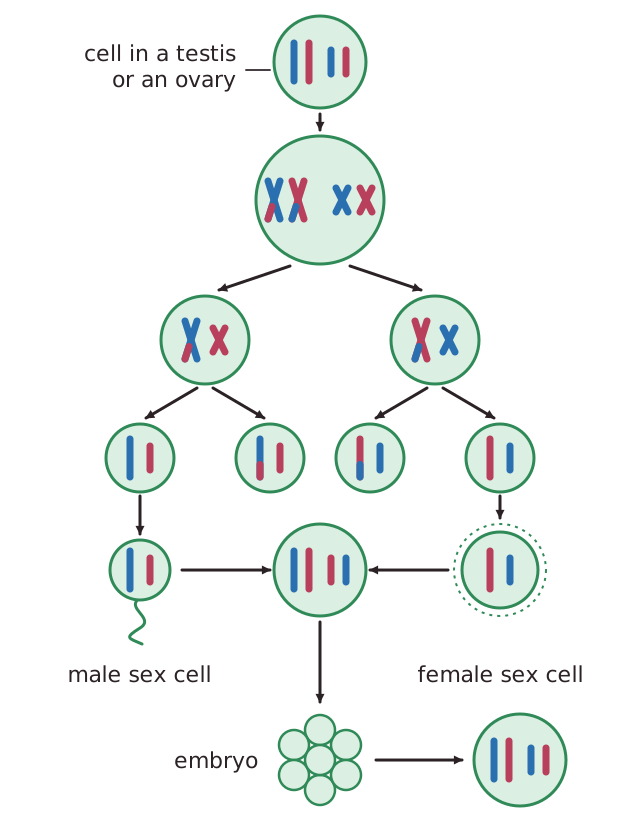
Cells in the reproductive organs divide by meiosis to form gametes. First, copies of the genetic information are made. Then the cell divides twice to form four gametes. Each gamete has a single set of chromosomes, so the number of chromosomes is halved. A human body cell has 46 chromosomes (23 pairs), so a human gamete has 23 chromosomes. All the gametes are genetically different from each other.
At fertilisation a male gamete and a female gamete join. This restores the normal number of chromosomes, so the fertilised egg cell has 46 again. The new cell then divides by mitosis, and the number of cells increases. As the embryo develops, the cells differentiate to become different types of cell.