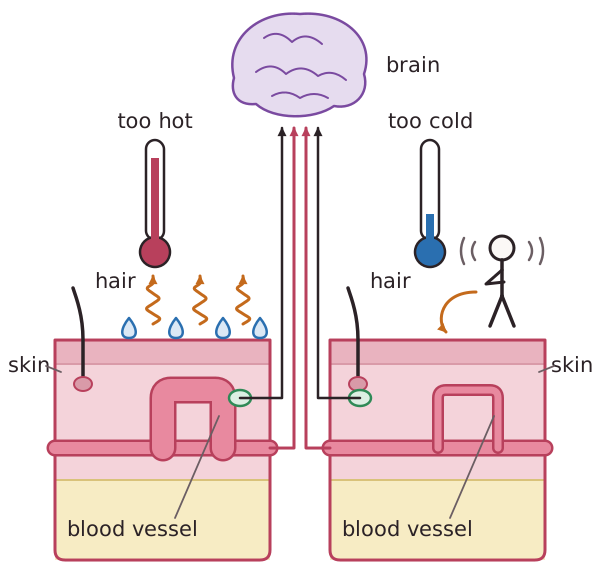
Body temperature is monitored and controlled by the thermoregulatory centre in the brain. This centre contains receptors that are sensitive to the temperature of the blood. The skin also contains temperature receptors, and these send nervous impulses to the thermoregulatory centre.
If the body temperature is too high, the blood vessels near the skin widen. This is called vasodilation, and more blood flows near the surface of the skin. The sweat glands also produce sweat. Both of these mechanisms transfer energy from the skin to the environment, which cools the body down.
If the body temperature is too low, the blood vessels near the skin get narrower. This is called vasoconstriction, and less blood flows near the surface. Sweating stops, and the skeletal muscles contract in a shivering action, which transfers energy and warms the body.
At Higher tier you should be able to explain how these mechanisms lower or raise body temperature in a given context. For example, a runner on a hot day sweats and their blood vessels dilate. The sweat evaporates and takes energy from the skin, and more energy is transferred from the warm blood to the environment, so the temperature falls back towards normal.