 BRAINCAKE
The Replication of Viruses
Viruses can only replicate by using the host cell apparatus as they are non-living.
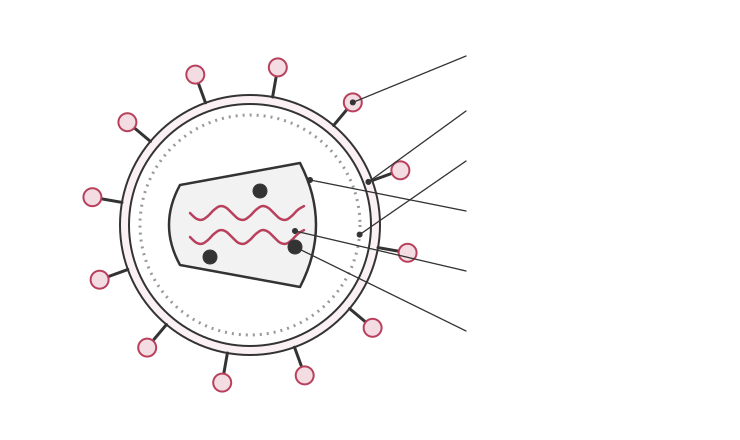
A virus consists of DNA or RNA enclosed in a protein coat or capsid.
Viruses attach to the host cell using attachment proteins or glycoproteins on their surface and inject their RNA or DNA into the host cell.
Sign in free to see the rest of this lesson, the R.E.C.I.P.E. recall steps and the quiz
BrainCake is free. Make an account in seconds and pick up where this page stops.
Key terms in this lesson
- capsid
- The protein coat that encloses the nucleic acid of a virus.
More in The Cell Cycle
- Metaphase
- Anaphase
- Telophase
- Cytokinesis
- The Importance of Mitosis
- Cancer and the Control of Mitosis
- Treatment of Cancer
- Cell Division in Prokaryotic Cells
All 12 lessons in The Cell Cycle · All AQA AS-level Biology topics