 BRAINCAKE
Microorganisms in the Nitrogen Cycle
Nitrogen is needed to make amino acids, proteins and nucleic acids. The air is 78% nitrogen gas (N2), but plants and animals cannot use it directly. Microorganisms carry out the key steps that convert nitrogen between its different forms.
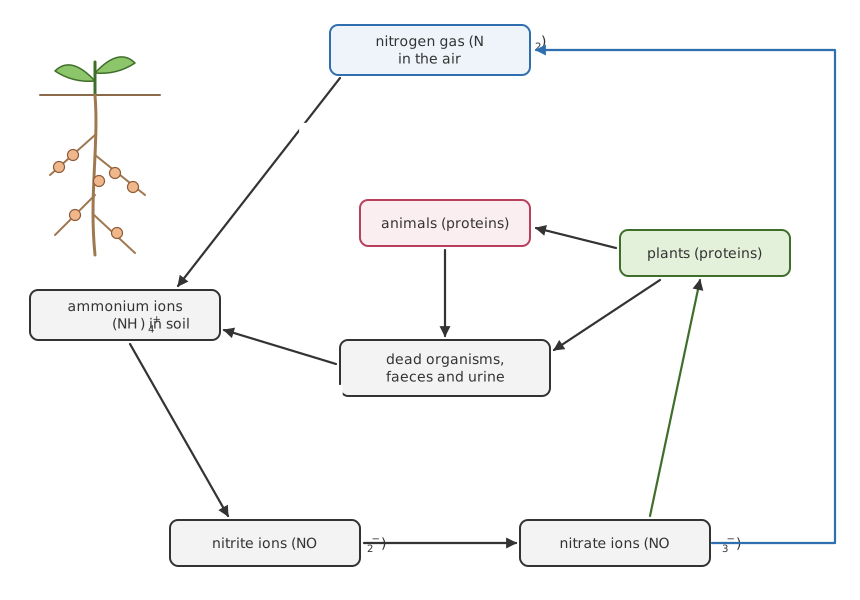
1. Nitrogen fixation: N2 is reduced to ammonia (NH3), which forms ammonium ions (NH4+), by the enzyme nitrogenase.
- Rhizobium bacteria live in the root nodules of legumes such as peas, beans and clover. This is mutualism: the plant receives ammonium, and the bacteria receive carbohydrates.
- Free-living bacteria in the soil, such as Azotobacter, also fix nitrogen.
Sign in free to see the rest of this lesson, the R.E.C.I.P.E. recall steps and the quiz
BrainCake is free. Make an account in seconds and pick up where this page stops.
More in The Efficiency of Ecosystems
- The Limitations of Efficiency Calculations
- Energy Transfer and Food Chain Length
- Nutrient Recycling
- Conditions for Recycling Nutrients
- Microorganisms in the Carbon Cycle
- Short-term Carbon Sinks
- Long-term Carbon Sinks
- Human Influence
All 20 lessons in The Efficiency of Ecosystems · All Edexcel A-level Biology topics