 BRAINCAKE
Microorganisms in the Carbon Cycle
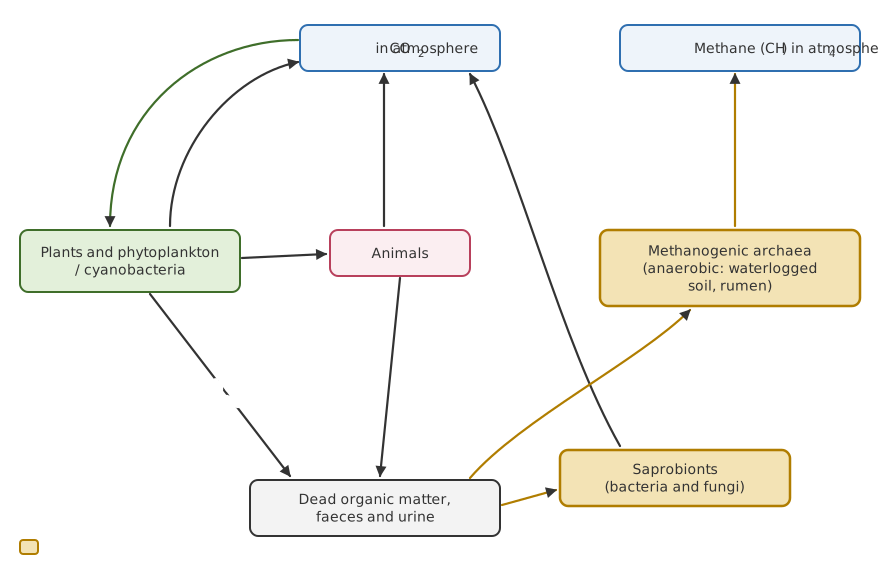
Carbon is constantly recycled between the atmosphere, living organisms, soil and oceans. Microorganisms (bacteria and fungi) are essential to this cycle because they release the carbon locked up in dead organic matter.
Saprobionts (decomposers) feed on dead organisms, faeces and urine. They secrete enzymes onto the material and absorb the soluble products of this extracellular digestion. Some of the absorbed glucose is used in respiration, releasing carbon dioxide into the air or soil water. Without decomposers, carbon would stay trapped in dead bodies and waste, and less CO2 would be available for photosynthesis.
Sign in free to see the rest of this lesson, the R.E.C.I.P.E. recall steps and the quiz
BrainCake is free. Make an account in seconds and pick up where this page stops.
More in The Efficiency of Ecosystems
- The Limitations of Efficiency Calculations
- Energy Transfer and Food Chain Length
- Nutrient Recycling
- Conditions for Recycling Nutrients
- Microorganisms in the Nitrogen Cycle
- Short-term Carbon Sinks
- Long-term Carbon Sinks
- Human Influence
All 20 lessons in The Efficiency of Ecosystems · All Edexcel A-level Biology topics