 BRAINCAKE
Phagocytosis
Phagocytes are white blood cells that engulf and digest pathogens. The two main types are neutrophils, which have a lobed nucleus and are the first to arrive at an infection, and macrophages, larger cells that develop from monocytes and live in tissues.
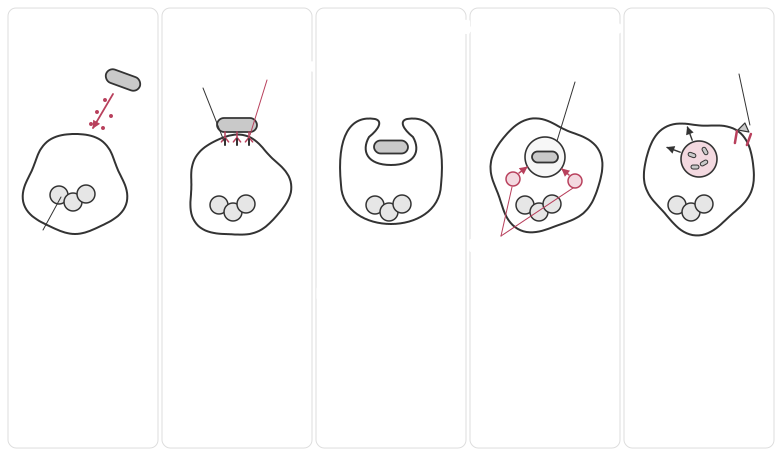
Phagocytosis happens in stages:
1. Attraction: chemicals released by pathogens and damaged cells attract phagocytes to the site of infection.
2. Recognition and attachment: receptors on the phagocyte bind to non-self antigens on the pathogen. Binding is easier if the pathogen is coated with antibodies or complement proteins, which act as opsonins.
Sign in free to see the rest of this lesson, the R.E.C.I.P.E. recall steps and the quiz
BrainCake is free. Make an account in seconds and pick up where this page stops.
Key terms in this lesson
- complement protein
- One of a group of blood proteins that help destroy pathogens, for example by acting as opsonins or forming pores in cell membranes.
- mhc protein
- A protein displayed on the surface of body cells that presents antigen fragments to T cells, allowing self to be distinguished from non-self.
More in Response to Infection
- Cell Recognition
- Non-specific Responses
- Fevers
- Lymphocytes
- B cells
- T Cells
- The Humoral Response
- The Effector Stage
All 20 lessons in Response to Infection · All Edexcel A-level Biology topics