No effect - the protein may function as normal. This could be because the mutation is a silent mutation. The mutation might have occurred in an intron or the same amino-acid or a similar amino-acid might have been incorporated. If the protein is an enzyme, the mutation might not be in the active site.
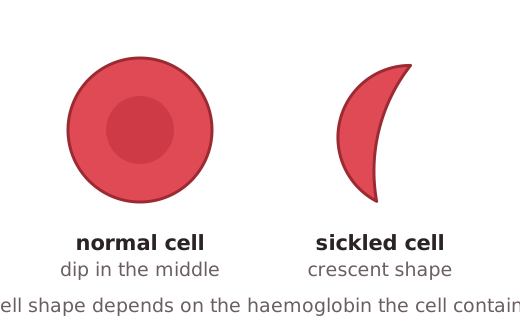
Damaging - the protein is no longer synthesised or is non-functional. This could be because a stop codon has been created so the protein is truncated (nonsense mutations). Mis-sense mutations where the wrong amino acid is incorporated can also be damaging.
Beneficial - very rarely the new protein has useful phenotypical characteristics. e.g. a receptor on the T-Helper cell membrane which does not allow the binding of HIV virus and the ability to digest lactose.