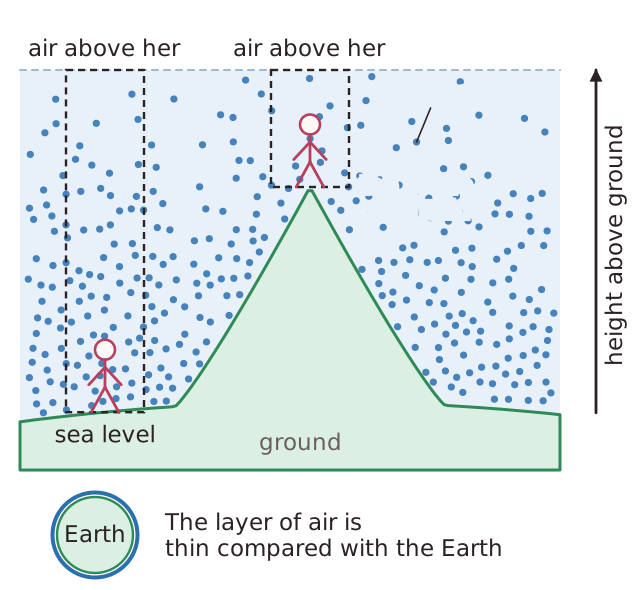
The atmosphere is a thin layer of air around the Earth. It is thin compared with the size of the Earth, and it gets less dense as altitude increases, so there are fewer air molecules in each cubic metre high up than near the ground.
A simple model of atmospheric pressure is that air molecules are moving randomly and collide with every surface. These collisions create atmospheric pressure. The weight of the air above a surface is linked to the number of molecules above it.
As the height of a surface above ground level increases, the number of air molecules above it decreases, so the weight of air above it decreases. There is always less air above a surface than there is at a lower height. This means atmospheric pressure decreases with an increase in height. At the top of a mountain the pressure is lower than at sea level.