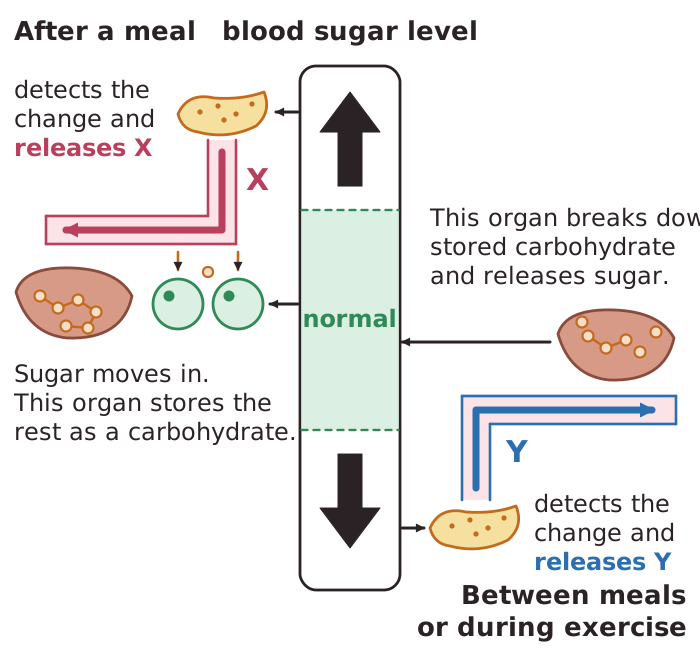
The amount of glucose in your blood is called the blood sugar level, or blood glucose level. It rises after a meal, because carbohydrate in the food is digested to glucose and absorbed into the blood. The pancreas monitors the blood glucose level.
When the level is too high, the pancreas releases the hormone insulin into the blood. Insulin travels in the blood to the liver and other body cells. It makes glucose move out of the blood and into the cells, where it can be used for respiration. In the liver, insulin also causes excess glucose to be converted into glycogen, which is stored.
As glucose leaves the blood, the blood glucose level falls back towards normal. The pancreas then releases less insulin. This is an example of negative feedback, a change that triggers a response which reverses the change.