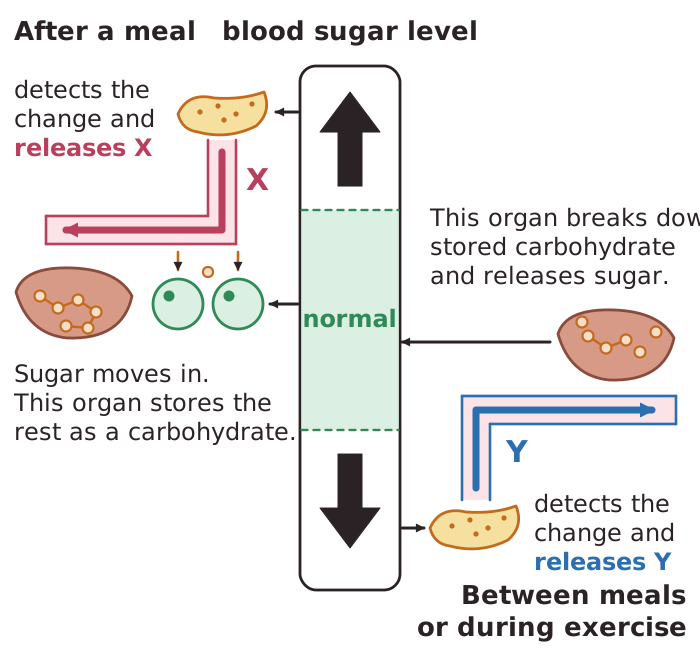
Insulin lowers the blood glucose level, but the level can also fall too low, for example between meals or during exercise when cells use up glucose in respiration. The pancreas detects this fall and releases less insulin and more of a second hormone, glucagon.
Glucagon travels in the blood to the liver. It causes the liver to break down stored glycogen and convert it back into glucose, which is released into the blood. The blood glucose level then rises back towards normal.
Insulin and glucagon have opposite effects. Insulin lowers the blood glucose level and glucagon raises it. Together they form a negative feedback system that keeps the level within a narrow range. Normal urine contains no glucose, so if a test strip such as Clinistix detects glucose in urine, it can be a sign that the blood glucose level is not being controlled, as in diabetes.