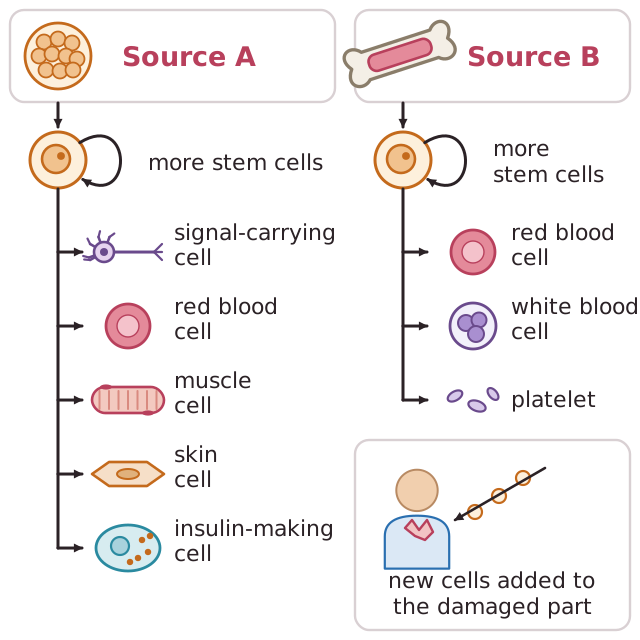
Stem cells are undifferentiated cells. They have not yet become a specialised cell type. They can divide to make more stem cells, and they can differentiate into other types of cell. Embryonic stem cells can become any type of cell. Adult stem cells, such as those in bone marrow, can become only some types.
In medicine, stem cells can be used to replace damaged or diseased tissue. A bone marrow transplant is used to treat leukaemia, and research is looking at stem cells to treat spinal injuries, diabetes and some types of sight loss. This is a big benefit for conditions that have no other cure.
There are risks. Stem cells divide quickly, so they could form a tumour. Donor cells could carry a virus that infects the patient. Transplanted tissue can also be rejected: the patient's immune system recognises antigens on the donor cells as foreign and attacks them. Immunosuppressant drugs reduce rejection, but they leave the patient at greater risk of infection. Cells that match the patient, such as the patient's own bone marrow cells, reduce the risk of rejection.
There are ethical issues too. Embryonic stem cells come from embryos, which are destroyed, and some people think this is wrong.