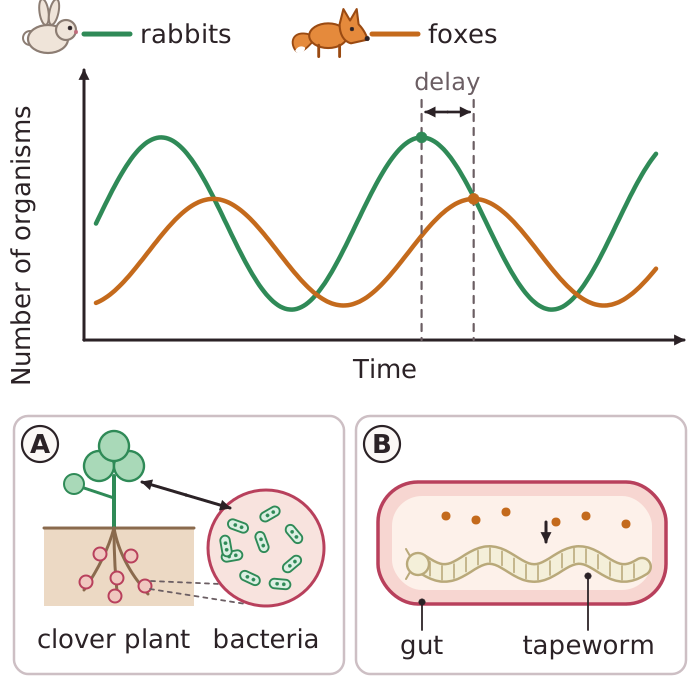
In a community, organisms depend on each other for food, shelter, pollination and seed dispersal. This is called interdependence. If one species changes in number, others are affected, so a stable community is one where populations stay fairly constant.
Three kinds of relationship show interdependence. In predation, a predator hunts and eats prey. When prey numbers rise, predator numbers rise a little later; when prey numbers fall, predators then fall. In mutualism, both organisms benefit. For example, bacteria in the root nodules of a leguminous plant such as clover make nitrogen compounds for the plant, and the plant gives them sugars. In parasitism, the parasite benefits and the host is harmed, as with a tapeworm in a gut or fleas on a dog.
Competition happens when organisms need the same limited resources. Plants compete for light, water, space and minerals from the soil. Animals compete for food, water, mates and territory. Competition within a species or between different species can reduce growth and survival.