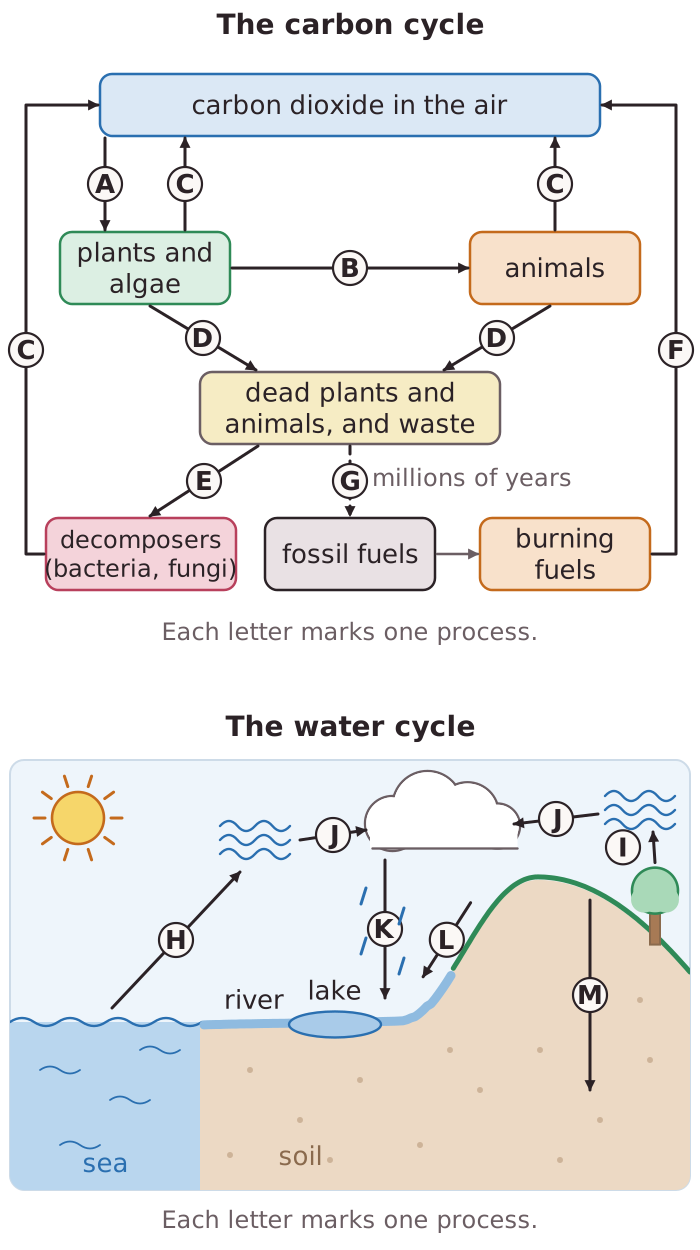
The carbon cycle shows how carbon moves around. Plants remove carbon dioxide from the air by photosynthesis. The carbon passes to animals when they feed. Carbon dioxide returns to the air by respiration in plants, animals and decomposers, by decay, and by combustion when fuels such as wood or fossil fuels are burned. Dead organisms that do not decay for millions of years can form fossil fuels.
This cycle matters because all living things are built from carbon compounds. It also keeps the amount of carbon dioxide in the air fairly steady when removal and return are balanced.
In the water cycle, the Sun heats water so it evaporates from seas, lakes and rivers. Plants also lose water vapour from their leaves by transpiration. The water vapour rises, cools and condenses to form clouds. It then falls as precipitation such as rain, hail or snow. Some runs over the land or soaks into the ground and flows back to rivers and the sea.
The water cycle gives land organisms a supply of fresh water. Fresh water in rivers and lakes keeps freshwater habitats going, and flowing water carries nutrients to organisms in the soil and along rivers.