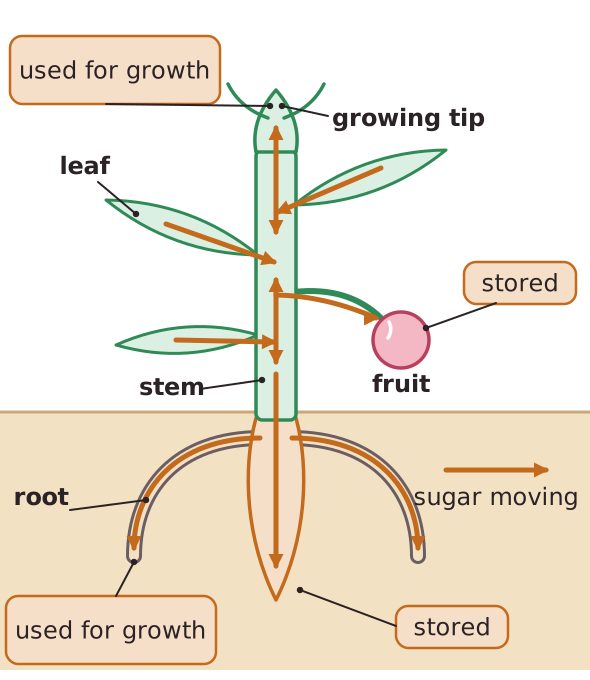
Translocation is the movement of sucrose around a plant. Sucrose is made from the glucose produced in photosynthesis, mostly in the leaves. It dissolves in water and is carried in the phloem to every part of the plant that needs it.
The plant uses the sucrose in growing tips and roots for respiration and growth. Some is carried to fruits and storage organs, where it is stored, often as starch. Because different parts of the plant need sucrose at different times, it can move both up and down the plant in the phloem.
Translocation needs energy. This is released by respiration in the living cells of the phloem, especially the companion cells, which contain many mitochondria. This is a key difference from the xylem, which is made of dead cells.