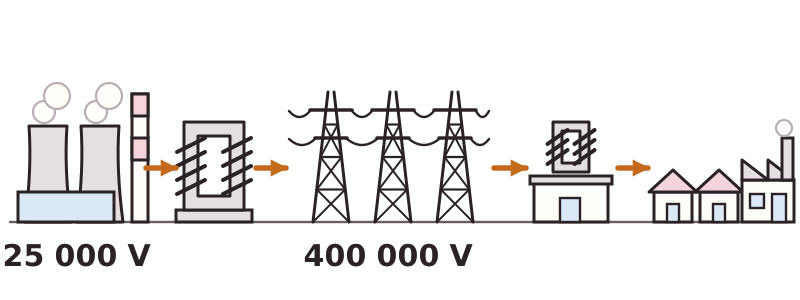
Power stations generate electricity at a relatively low potential difference. Before the electricity enters the transmission cables, a step-up transformer at the power station increases the potential difference to a very high value. The high potential difference means a low current, so little energy is wasted as heat in the cables and pylons.
Near towns and cities, a step-down transformer reduces the potential difference in stages. These transformers are at substations in each locality. The final step-down transformer, often on a street or in a small substation, gives the 230 V mains supply that is safe for use in homes.
So the order along the grid is: power station, step-up transformer, transmission cables, step-down transformers, homes and businesses. Both kinds of transformer work because the current in the grid is alternating.