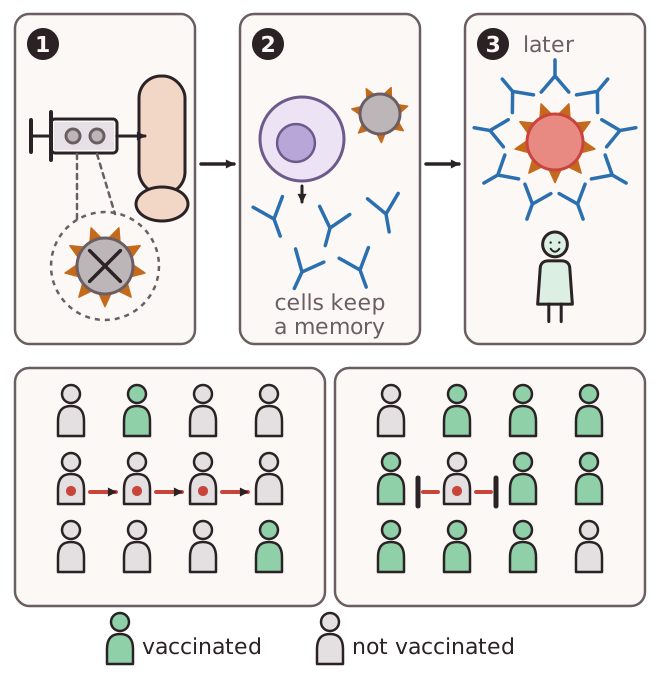
Vaccination protects a person from a disease before they ever catch it. A vaccine contains small quantities of dead or inactive forms of a pathogen. These cannot cause the illness, but they stimulate the white blood cells to produce antibodies against that pathogen.
If the same pathogen enters the body later, the white blood cells respond quickly and produce the correct antibodies. The pathogen is destroyed before it can make the person ill, so infection is prevented.
Vaccination also protects people who are not vaccinated. If a large proportion of the population is immunised, the pathogen finds it hard to spread from person to person. This reduces the spread of the disease through the population, so even unvaccinated people are less likely to be infected.