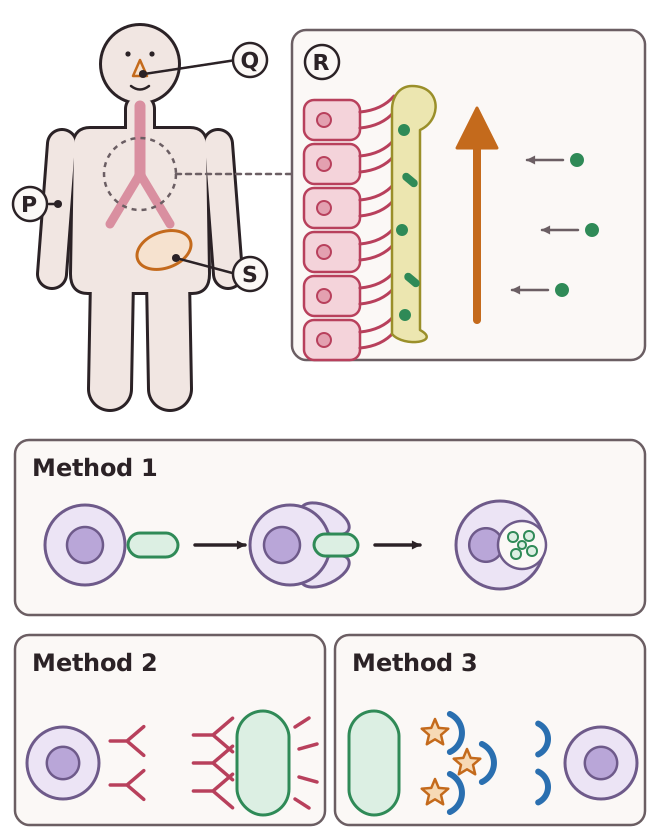
The body has non-specific defences that try to stop any pathogen getting in. The skin acts as a barrier, and if it is cut, blood clots and a scab form to seal the wound. The nose contains hairs and mucus, which trap particles and pathogens in the air that you breathe in. The trachea and bronchi are lined with mucus and cilia: the mucus traps pathogens, and the cilia move it upwards to be swallowed. The stomach produces hydrochloric acid, which kills pathogens that arrive in food and drink.
If a pathogen does enter the body, the immune system tries to destroy it. White blood cells play the main part in this, and they defend the body in three ways.
In phagocytosis, a white blood cell engulfs the pathogen and digests it. Some white blood cells produce antibodies, which are made to fit the pathogen and help to destroy it. Some white blood cells produce antitoxins, which neutralise the toxins that pathogens release.