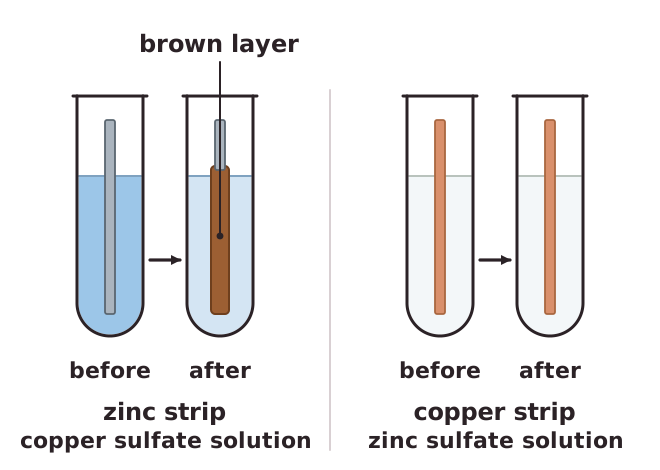
A displacement reaction happens when a more reactive metal displaces a less reactive metal from a solution of its salt. To investigate, place a small piece of each metal in a solution of each metal salt and look for evidence of a reaction: a new metal deposited on the surface, a colour change in the solution or a temperature rise. If there is no change, there is no reaction.
When zinc is added to copper sulfate solution, a brown layer of copper forms on the zinc and the blue colour of the solution fades: Zn + CuSO4 → ZnSO4 + Cu. Zinc is more reactive than copper. When copper is added to zinc sulfate solution nothing happens, because copper is less reactive than zinc.
Suppose aluminium displaced iron, lead and silver, iron displaced lead and silver, lead displaced only silver, and silver displaced none. The order from most to least reactive is aluminium, iron, lead, silver. The metal that displaces the most others is at the top of the series and the metal that displaces none is at the bottom. To make the test fair, use the same size of metal pieces, the same volume and concentration of salt solution and the same starting temperature.