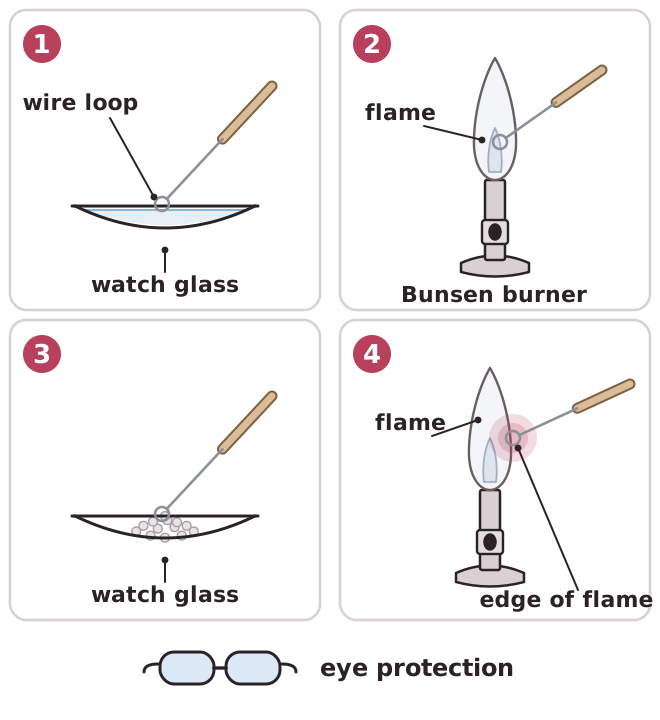
A flame test identifies metal ions by the colour they give to a flame. A small sample of a solid compound, or a solution, is heated in a Bunsen burner flame and the colour is recorded.
First the wire loop, usually made of nichrome, is cleaned. It is dipped in dilute hydrochloric acid and heated in the flame until it gives no colour. The loop is then dipped into the sample and held in the edge of a blue Bunsen flame. The blue flame is hot and gives little light, so it does not hide the colour the sample makes.
The loop must be cleaned again between samples. If it is not, traces of the earlier sample stay on the wire and give a mixed or false colour. This is called contamination. Eye protection must be worn throughout.