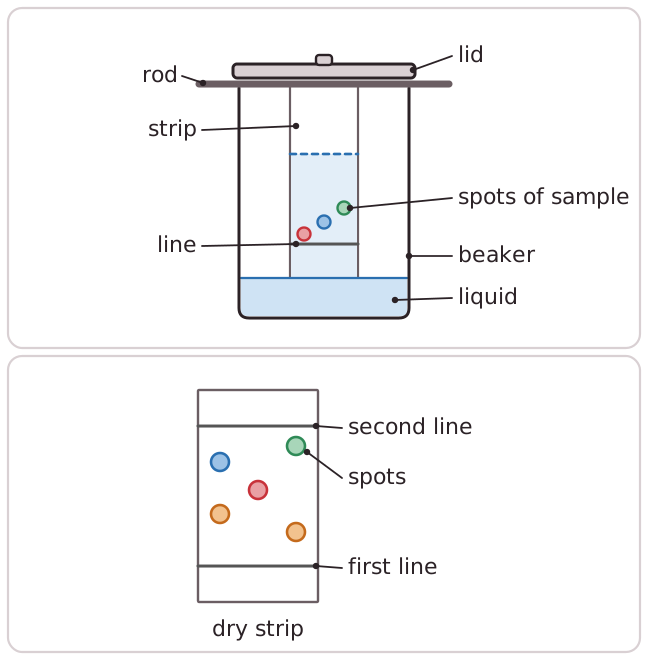
Chromatography separates a mixture of substances that dissolve in the same solvent. In paper chromatography, a pencil line called the baseline is drawn near the bottom of a piece of chromatography paper. A small spot of the sample is placed on the baseline. The paper is then stood in a beaker with a little solvent in the bottom, so the solvent level is below the baseline. The beaker is covered with a lid to stop the solvent evaporating.
The solvent soaks up the paper and carries the substances in the sample with it. The paper is taken out before the solvent reaches the top, and the position of the solvent front is marked at once in pencil. The pencil line is used because ink would dissolve in the solvent and travel up the paper too. The paper is left to dry.
Water is an aqueous solvent. Substances that do not dissolve in water need a non-aqueous solvent such as ethanol. Some substances are colourless, so the dry chromatogram is sprayed with a locating agent that reacts with them and makes the spots visible. Thin layer chromatography (TLC) works in the same way, but uses a plate coated with a thin layer of silica instead of paper.