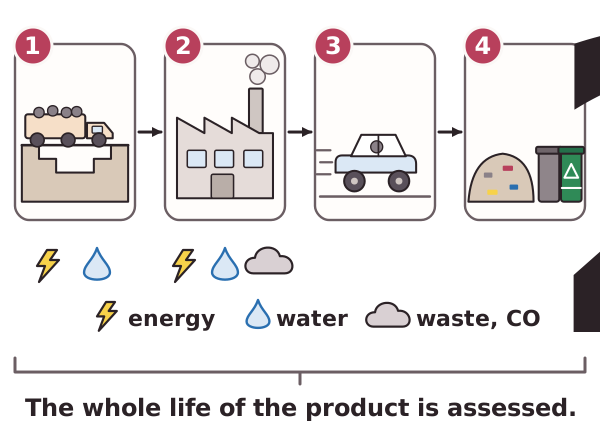
A life-cycle assessment (LCA) is a way of judging the effect of a product on the environment over its whole life. It does not just look at the factory. It looks at four stages.
The first stage is obtaining the raw materials. This includes mining or growing them, processing them and transporting them, which uses energy and water and can damage habitats. The second stage is manufacturing the product, which uses energy and water and produces waste and pollution such as carbon dioxide.
The third stage is the use of the product. Some products cause pollution while they are used, for example a car burning fuel, while others cause almost none. The fourth stage is disposal, which means disposing of the product when it is no longer useful. It may be sent to landfill, burned, reused or recycled.