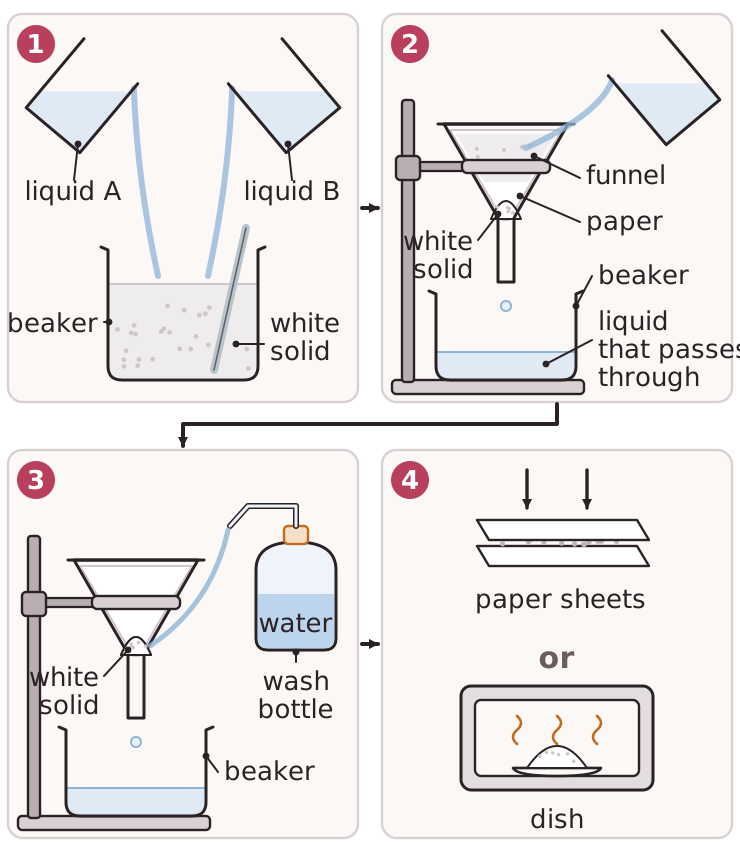
An insoluble salt is made by precipitation. You choose two soluble compounds, one containing each ion you need, and mix their solutions. For lead sulfate, for example, you could use lead nitrate solution and sodium sulfate solution. The insoluble salt forms as a precipitate and the other product, sodium nitrate, stays dissolved.
Mix measured volumes of the two solutions in a beaker and stir. The mixture is then filtered through filter paper in a funnel, so the precipitate stays on the paper. Wash the solid on the paper with distilled water to remove soluble impurities. Then dry the solid by pressing it between sheets of filter paper or by leaving it in a warm oven.
The salt is pure because the dissolved product passes through the filter paper into the filtrate, and the washing removes anything that clung to the solid. You cannot use crystallisation here, because the salt does not dissolve.