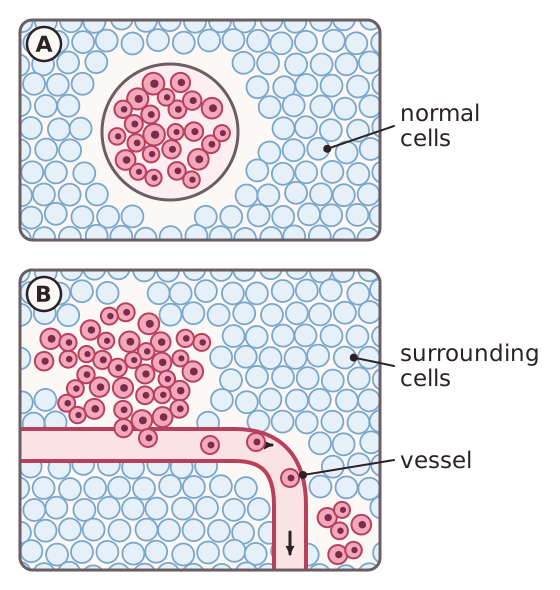
Cancer is the result of changes in cells that lead to uncontrolled growth and division. Normally the body controls how often cells divide by mitosis. A change in the DNA of a cell is called a mutation. If a mutation damages the genes that control cell division, the cell divides again and again without control.
The mass of cells that forms is called a tumour. A benign tumour grows in one place, is usually enclosed, and does not invade other tissues. A malignant tumour is cancer: its cells invade neighbouring tissues and can break off and spread in the blood to other parts of the body, where they form secondary tumours.
Mutations can happen by chance when DNA is copied, but some factors make them more likely. These include smoking, ultraviolet radiation from the sun or sunbeds, and some viruses, such as the human papillomavirus (HPV), which can lead to cervical cancer. Some people also inherit alleles that raise their risk. Cancer is not caught from another person, so it is a non-communicable disease.