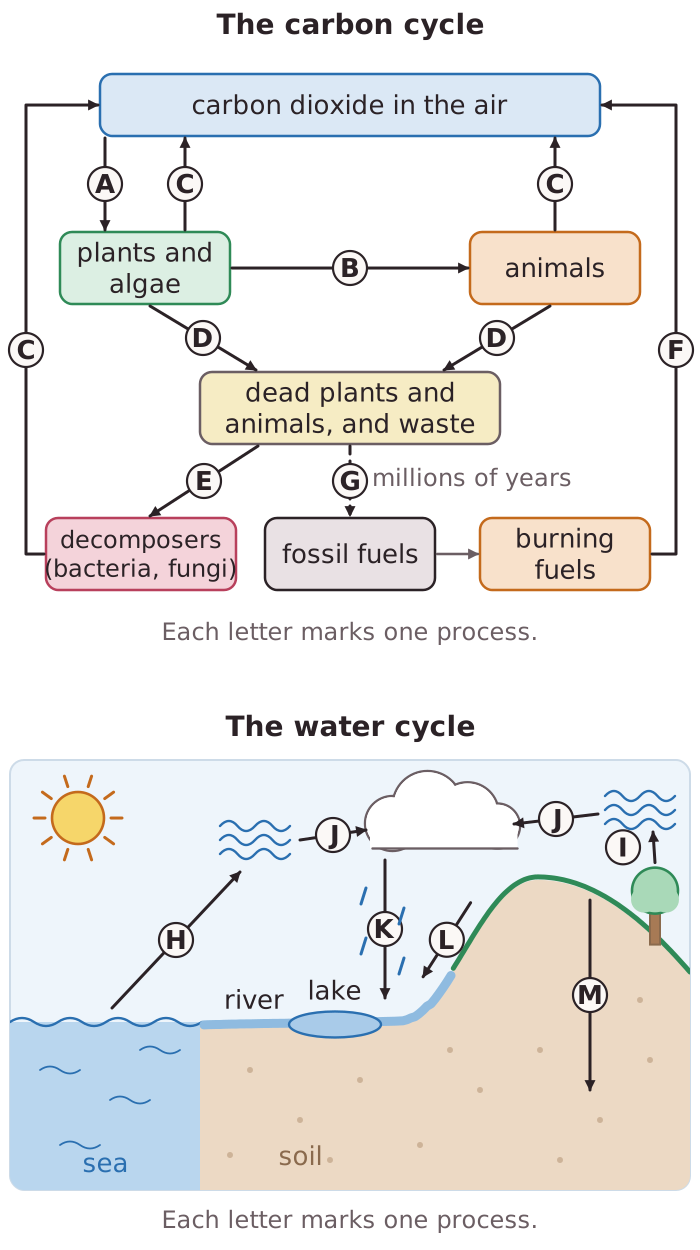
The carbon cycle moves carbon between the air, living things and dead material. Plants and algae take in carbon dioxide from the air during photosynthesis and use the carbon to make glucose and other compounds that build their bodies. Animals get carbon by feeding. Carbon returns to the air as carbon dioxide by respiration in all living organisms, by the combustion of fuels such as wood and fossil fuels, and when decomposers break down dead material.
The carbon cycle is important because it keeps a supply of carbon dioxide for photosynthesis and a supply of carbon compounds for living things to build cells. It lets nutrients flow from the air to plants, then to animals, then to decomposers and back again.
In the water cycle the Sun's energy causes evaporation from seas, lakes and rivers, and water is also lost from plant leaves by transpiration. The water vapour rises, cools and condenses to form clouds. It falls as precipitation, such as rain or snow, and flows over the land as run-off or soaks into the soil before returning to rivers and the sea.
The water cycle is important because it supplies fresh water for living things to drink and use in photosynthesis. It refills rivers, ponds and lakes, which helps to maintain habitats. Water moving through soil also carries dissolved nutrients to plant roots.